The Mail-Back Mirage: Why “Recycle Your Empties” Programs Don’t Fix Plastic
You finish a face cream. The jar is plastic, so you check the label. Good news — the brand will “recycle it for you.” Just sign up, save your empties, rinse them, find a box, print a label and ship them across the country.
It feels responsible. It’s designed to.
But look closer and these programs ask you to do the work, pay with your time, and trust a process you’ll never see — while the brand keeps selling brand-new plastic. That’s not a solution. It’s a permission slip.
They Knew Recycling Couldn’t Keep Up
The problem starts long before your mailbox. In 2024, the Center for Climate Integrity published The Fraud of Plastic Recycling, built on the industry’s own documents.[1] In 1989, the head of a plastics trade group told an industry conference that “recycling cannot go on indefinitely, and does not solve the solid waste problem.” In 1994, a chemical-company executive summed up the industry’s stance: “We are committed to the activities, but not committed to the results.”[1]
The results speak for themselves. In 2021, the US recycled only about 5–6% of its post-consumer plastic waste.[2]
How Mail-Back Programs Actually Work
When regular curbside recycling won’t take a package — most small beauty and personal care plastics — some brands pay a third party to accept it by mail. The fine print tells the real story:
- You do the labor. Collecting, cleaning, boxing and shipping are all on you. Most people never do it, so most packaging still ends up in the trash.
- The “rewards” have a weight limit. Some programs only award points for shipments of 3 pounds or more, and several small boxes don’t add up. Small tubes and compacts weigh a few grams each, so 3 pounds can mean hundreds of empties stockpiled in your closet. Even then, the points usually go to a charity of your choice, not to you.
- Space can run out. Brands fund these programs with a set budget. In a 2021 California case, an environmental group alleged that mail-back recyclability claims misled shoppers because programs could be capped or paused once the money ran out. The companies settled and agreed to label products when availability is limited.[3] The lawsuit’s lead plaintiff said she tried to mail back packaging and “ended up on many waitlists.”[4]
- You can’t see where it goes. These programs rely on outside processors. Investigators have raised questions about where mailed-in material ends up, and reporting on the industry found that independent audits of this work were rare until 2021.[5]
- It’s mostly “downcycling.” Mixed plastics rarely become new packaging. They’re more often turned into lower-grade products that can’t be recycled again — a detour on the way to the landfill.
- Nothing changes upstream. The beauty and personal care industries produce more than 120 billion packaging units a year, most of it not recyclable.[5] A mail-back program doesn’t make the next tube any different from the last.
As one critic put it: “We’re not going to recycle our way out of all of this waste. We have to make less of it.”[4]
The Rules Are Catching Up — Slowly
California’s truth-in-labeling law (SB 343) takes effect October 4, 2026. It bars the recycling symbol on packaging unless the material is actually collected, sorted and sold for recycling in California.[6] In March 2026, a coalition of 18 food and packaging industry groups filed a federal lawsuit to block it, arguing it restricts their right to call products recyclable.[7]
Read that again: an industry sued for the right to keep putting recycling symbols on packaging that California’s own recycling system can’t handle.
The Better Question: Why Is It Plastic at All?
Recycling programs answer the wrong question. They ask, “How do we deal with this plastic after you’ve bought it?” The better question is, “Why is it plastic in the first place?”
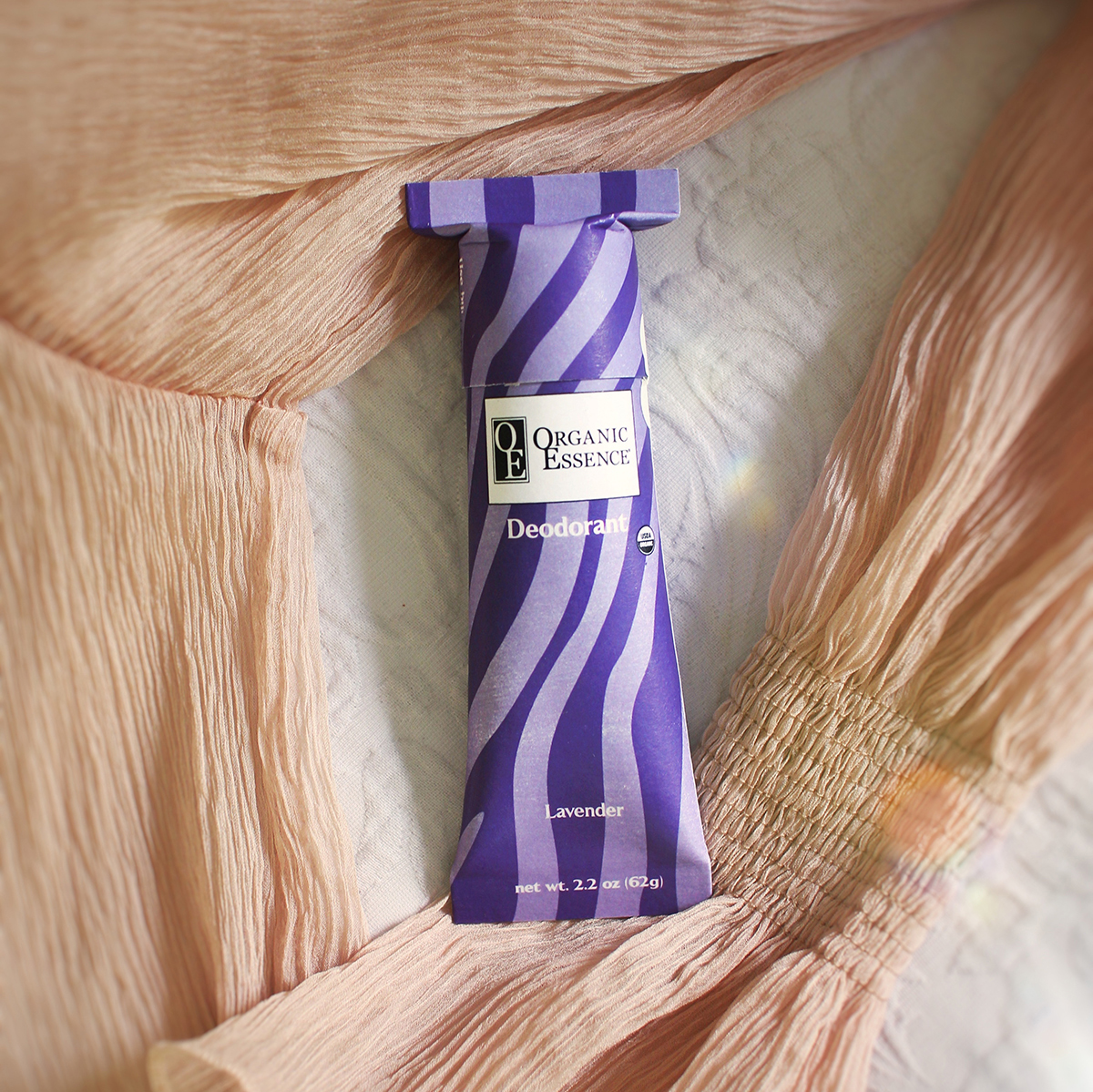
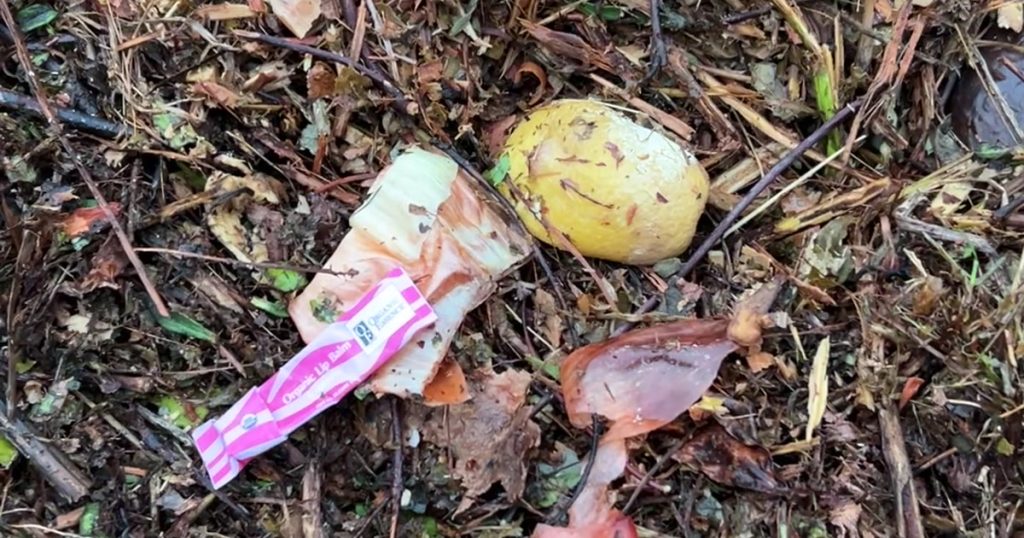
At Organic Essence, we skipped the program and changed the package. Our Eco Tube is made of nothing but printed paper and casein, a natural milk protein. It’s home-compostable — no mailing, no waitlist, no wondering where it went. When you’re done, it goes in your compost and back to the soil. Our patented paper jars are plastic-free too.
An Eco Tube in our compost: no mailing, no waitlist.
That’s zero waste you can see for yourself.
What You Can Do
- Read past the recycling symbol. Ask where the package actually goes, and who does the work to get it there.
- Choose packaging that doesn’t need a program. Paper, glass, refill and compostable options skip the problem entirely.
- Ask brands the real question. Not “Can I recycle this?” but “Why is this plastic?”
The best recycling program is the one you never need.
Related: Everything the Plastics Industry Doesn’t Want You to Know
Sources
- Center for Climate Integrity, The Fraud of Plastic Recycling (Feb 2024), reported by NPR/KPBS
- The Last Beach Cleanup & Beyond Plastics, The Real Truth About the U.S. Plastics Recycling Rate (May 2022)
- Resource Recycling, “Recycler and brands settle California labeling lawsuit” (Nov 2021)
- WHYY, “How a lawsuit shows the limits of recycling trash in the U.S.” (Nov 2021)
- The Ethos, “Do beauty plastic recycling programs work?” (Jan 2023)
- Packaging Gateway, “California’s truth in labelling law takes effect in October 2026”
- Morgan Lewis, “Federal lawsuit challenges California’s truth in recycling law” (Mar 2026)