The Reusable Plastic Bag Illusion: When Plastic Changes Costumes
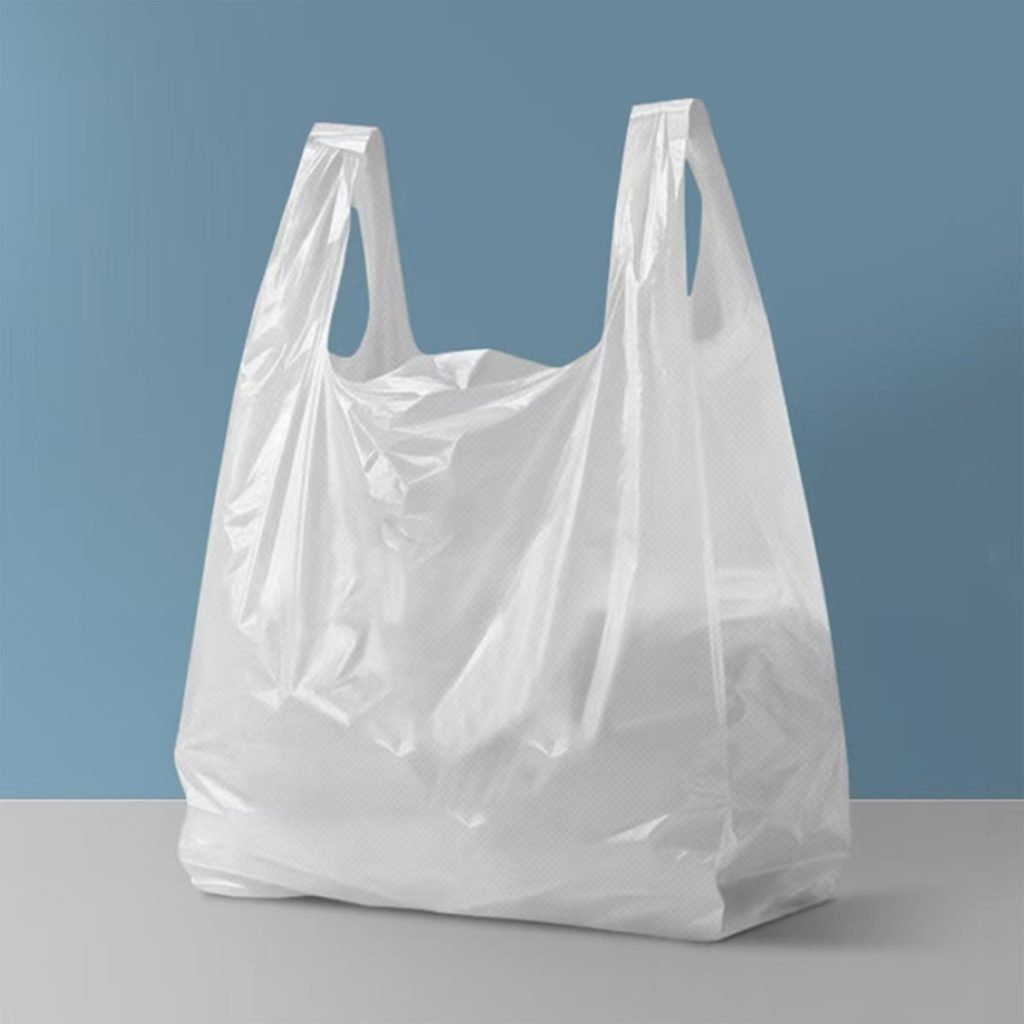
You remembered your reusable plastic bags. They’re thick, glossy, printed with the store’s logo, and you paid for them at checkout. It feels like the responsible thing to do.
That feeling is the product. Plastic didn’t lose the war on waste — it changed costumes.
The Reusable Plastic Bag That Wasn’t
In 2014, California banned thin single-use plastic bags at checkout. But the law left a loophole: stores could still sell thicker plastic bags labeled “reusable” for 10 cents. Most people used them once, just like the old ones.
The result? By 2021, Californians were throwing away 231,072 tons of plastic grocery and merchandise bags a year — nearly 100,000 tons more than in 2018, according to the state’s recycling agency.[1] As one report put it, “In theory, the heavier bags were reusable. But in practice, they became a more substantial form of waste.”[1]
A thicker bag that gets used once isn’t reusable. It’s just more plastic.
The Drop-Off Bin Mirage
What about the bag recycling bins near the front door of big-box stores? In 2023, ABC News hid 46 trackers in bundles of plastic bags and dropped them into those bins in 10 states. About half ended up at landfills or trash incinerators. Only four were last located at facilities that say they recycle reusable plastic bags. Three turned up in Asia.[2]
The bin makes you feel like you closed the loop. Most of the time, nobody did.
Plastic as a Feature, Not a Bug
Walk down any personal care aisle and look closely at the bottles. Signature colors. Curved grips shaped for your hand. Flip caps that click. Pumps, sprayers, glossy finishes. Almost every brand in that aisle is selling its plastic as much as what’s inside it.
That’s not an accident. When the bottle is the brand, plastic stops looking like waste and starts looking like design. A recycling symbol on the bottom finishes the job — it tells you not to worry about where it goes next.
It’s the same playbook as the “reusable” plastic bag: make plastic feel responsible, so nobody asks why it’s plastic in the first place.
California Is Closing the Loophole
Lawmakers noticed. Under a new law, as of January 1, 2026, most California grocery and convenience stores can no longer offer plastic bags at checkout — not even the “reusable” kind. Shoppers can bring their own bag, carry items out by hand, or pay at least 10 cents for a recycled paper bag.[1] Starting in 2028, those paper bags must contain at least 50% postconsumer recycled material.[1]
And California’s truth-in-labeling law (SB 343) now bars the recycling symbol on packaging unless the material is actually collected, sorted and sold for recycling in the state.[3]
Paper Isn’t Perfect — But It Doesn’t Pretend
To be fair, a paper bag takes more resources to make than a thin plastic one, so the greenest bag is the one you reuse. But paper doesn’t pretend to be something it isn’t. It’s accepted in curbside recycling across California, and when it finally wears out, it can go in your compost and break down instead of breaking into pieces.
The honest answer to “paper or plastic?” is: whatever you already own, as many times as you can — and less plastic wherever you get the choice.
Where Organic Essence Fits In
We never had to change costumes. Our packaging was designed from day one to skip plastic entirely.
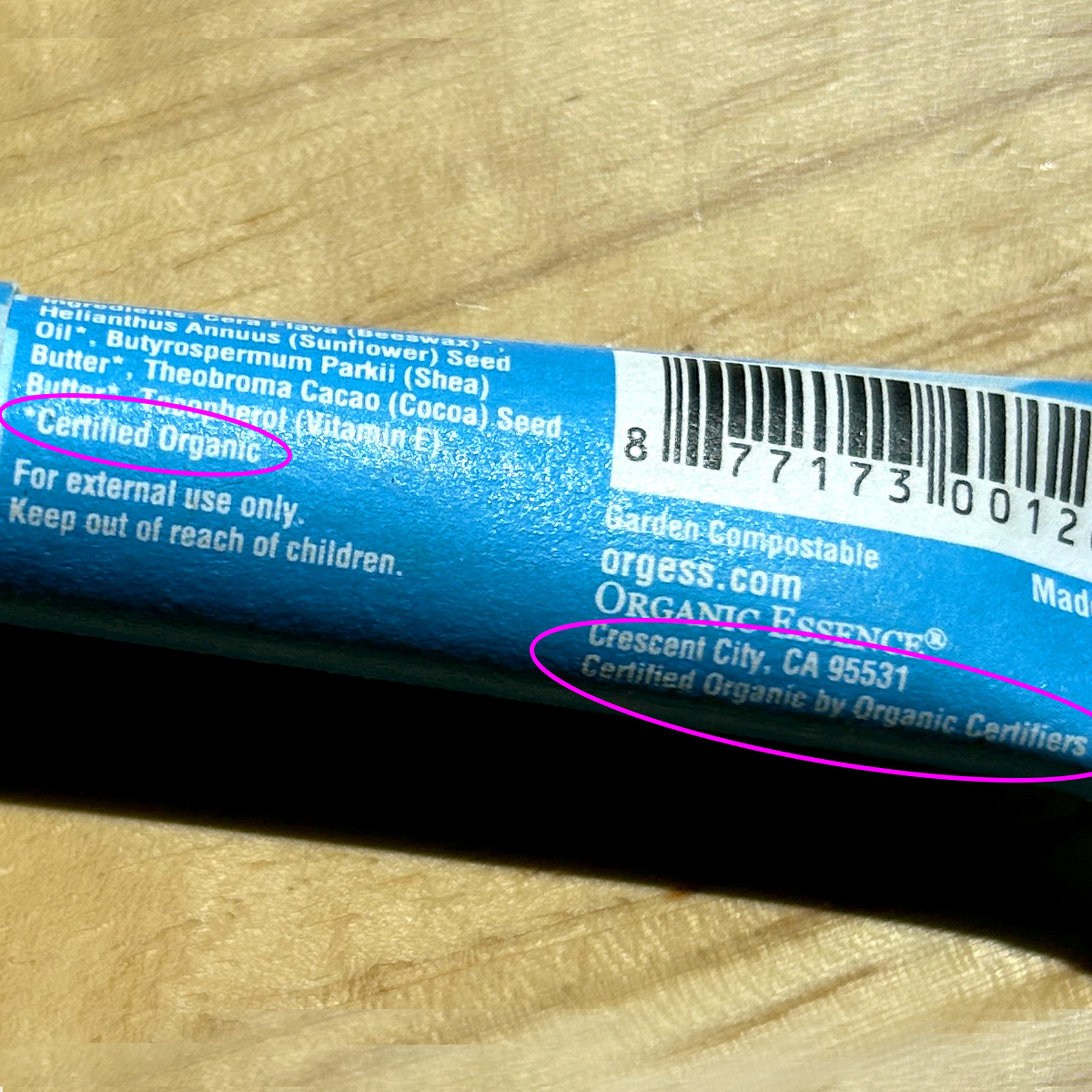
Our patented Eco Tube is made of nothing but printed paper and casein, a natural milk protein. It’s home compostable. Our patented paper Eco Jar holds our scrubs, moisturizers and specialty care. No plastic screw bottoms, no plastic tubs, no branded bottle designed to make you forget where it ends up.
Our color is printed on paper. Our “design” is that there’s nothing left to throw away.
What You Can Do
- Use what you already have. Even an old plastic bag is better reused 50 times than replaced once.
- Don’t trust the bin. Store drop-off bins and recycling symbols aren’t proof anything gets recycled.
- Look past the bottle. If the packaging is part of the brand, ask what happens to it when you’re done.
- Choose packaging that doesn’t need a second life to justify the first. Paper, glass, refill and compostable options skip the problem.
Plastic got very good at looking responsible. The most responsible thing you can do is not fall for the costume.
Related: Everything the Plastics Industry Doesn’t Want You to Know
Sources
- OPB / CalMatters, “California’s first plastic bag ban made things worse. Now it’s trying again” (Sept 2024)
- ABC News, “Tracking the trash: Are your plastic bags really being recycled?” (May 2023)
- Packaging Gateway, “California’s truth in labelling law takes effect in October 2026”