Not all USDA Certified Organic products are created equal — and most products claiming to be organic aren’t certified at all.
USDA Certified Organic is the only guarantee that means anything. It’s certified to food-grade standards — no pesticides, no GMOs, no chemical fragrances, dyes, detergents, or preservatives. That last part matters most, because detergents and preservatives are the ingredients raising the biggest red flags for health-conscious consumers.
“Natural” Was the First Casualty
The natural body care movement took off in the 1990s and “natural” quickly became the most overused word in the beauty industry. It now means almost nothing. Brands slap it on anything.
“Organic” Is Next
The same playbook is being run on organic. Watch for these red flags: products that simply claim to be organic with no certification, homemade-looking “organic” logos, brand names with the word organic baked in, or vague claims about containing some organic ingredients. These tactics often hide the very detergents and preservatives you’re trying to avoid.
What USDA Certified Organic Actually Requires
USDA Certified Organic certification doesn’t happen once and stay permanent. It requires annual renewal — a new inspection, updated records, and a current Organic System Plan that documents every ingredient, supplier, and process used in production. A third-party certifying agent, accredited by the USDA, verifies everything in person. Not on paper. In person.
For a skincare brand, that means every single ingredient must be traceable to a certified organic source. If one supplier changes their growing practices or loses certification, the brand has to find a new supplier or lose their own certification. There’s no grandfathering, no grace period, and no way to fake it. The paper trail either exists or it doesn’t.
This is why the USDA Certified Organic seal on a body care product carries the same weight as it does on food. The standard is identical — because certified organic skincare ingredients are held to food-grade requirements. You’re putting these products on your skin every day. Food-grade standards aren’t overcautious. They’re the minimum that makes sense.
Why Detergents and Preservatives Are the Real Problem
The ingredients most commonly hidden behind “natural” and “organic” marketing claims are detergents and preservatives — and they’re worth understanding specifically.
Synthetic detergents like Sodium Lauryl Sulfate (SLS) and Sodium Laureth Sulfate (SLES) are surfactants that create lather and remove oils. They’re inexpensive, effective, and nearly impossible to source in certified organic form — which is why they show up in almost every conventional and “natural” body care product, and almost never in genuinely USDA Certified Organic ones.
Preservatives like parabens, phenoxyethanol, and formaldehyde-releasing agents keep products shelf-stable for years. They’re also endocrine disruptors, skin sensitizers, and in some cases probable carcinogens. USDA Certified Organic standards prohibit all of them. When you see a long shelf life on a certified organic product, it’s achieved through formulation — lower water content, natural antimicrobials, packaging design — not chemistry shortcuts.
How to Spot the Real Thing on the Ingredient Deck
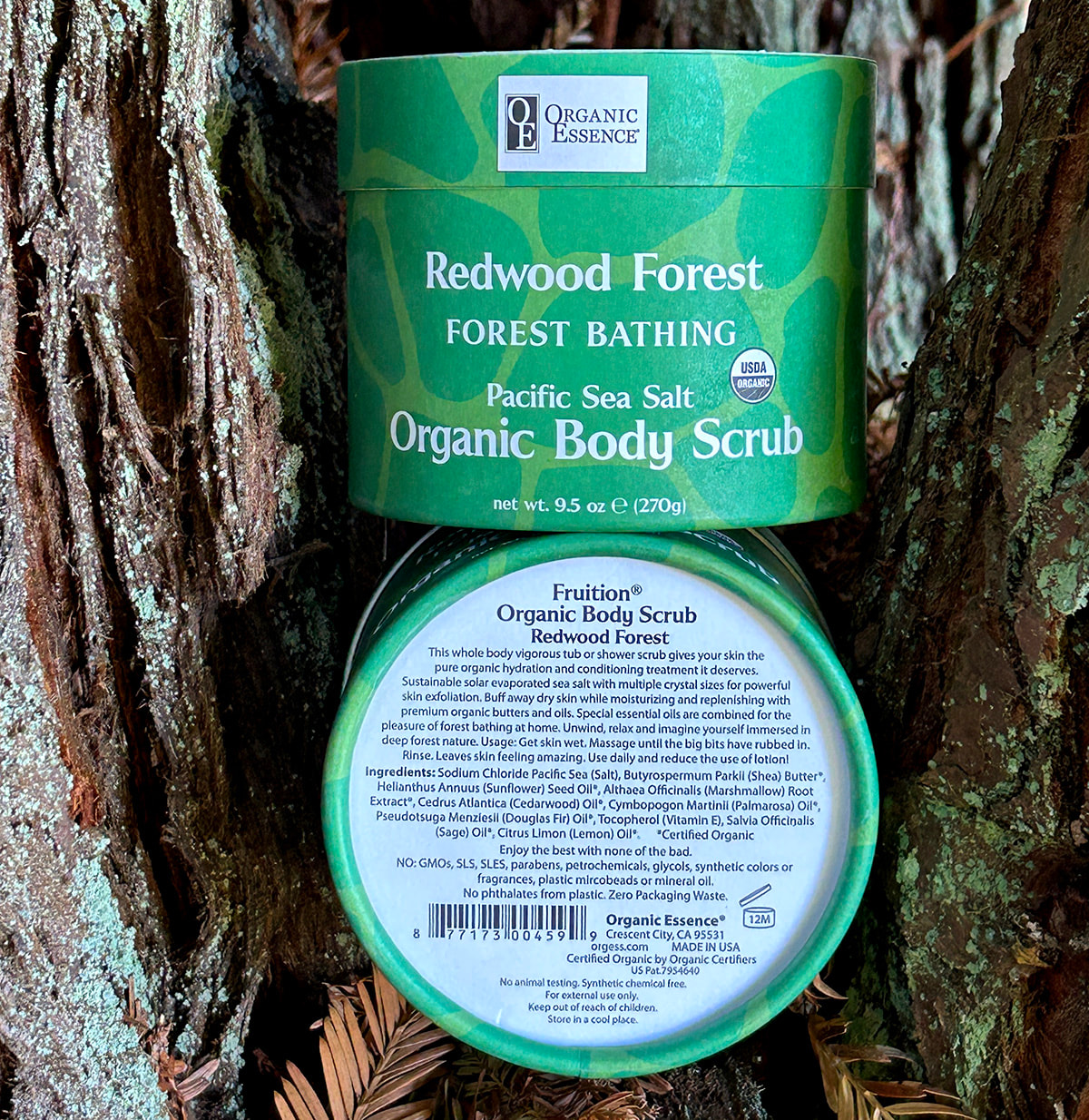
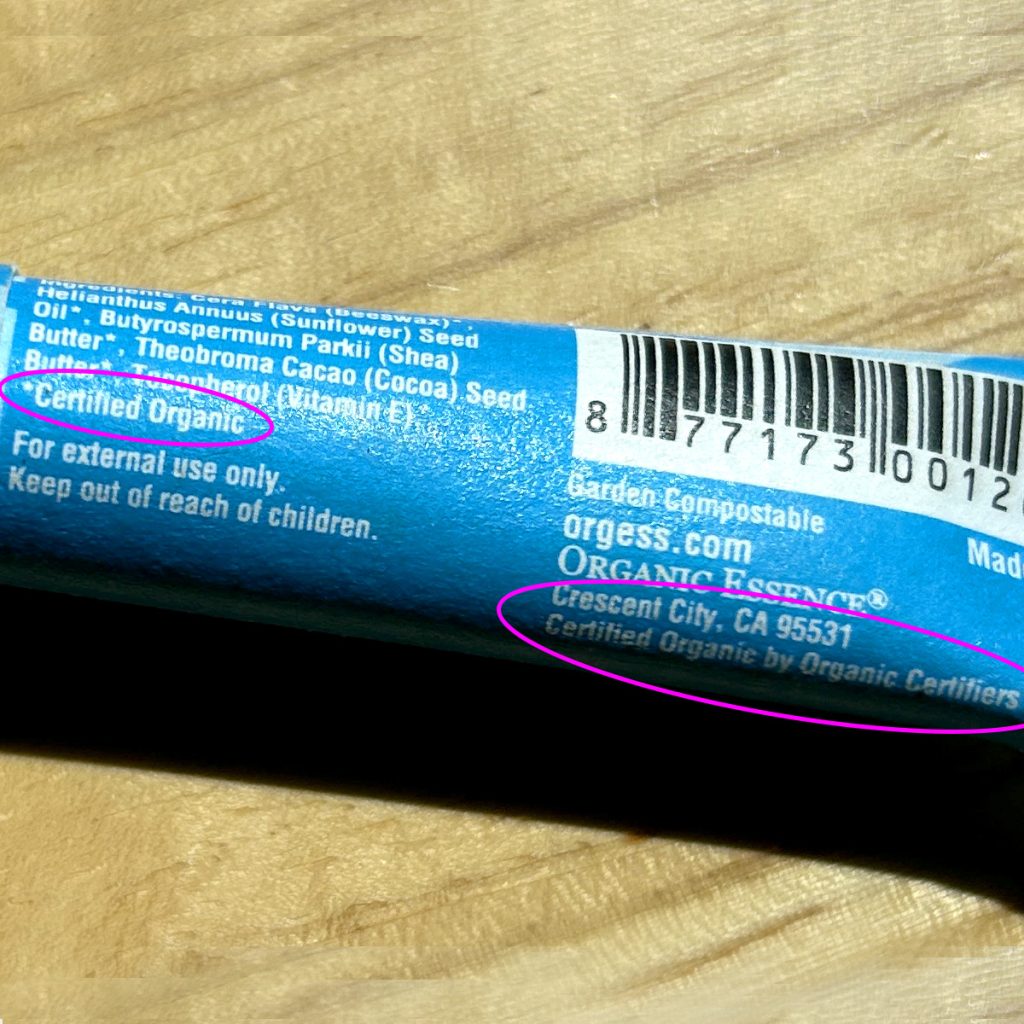
Turn the product over. Look for two things: individual ingredients marked with an asterisk (*) followed by the words “certified organic” — this tells you exactly which ingredients are genuinely certified, not just claimed. Then look for the name of the certifying agency, usually printed near the ingredient list or USDA seal. A legitimate third-party certifier backs up every claim. No asterisks, no agency, no accountability.
The ingredient deck tells the whole story. USDA Certified Organic just makes sure someone independent verified it.
The Only Rule That Matters: Look for the USDA Organic Seal
It’s the world’s gold standard — the strictest certification for body care products on the planet. No seal, no guarantee.
At Organic Essence, USDA Certified Organic isn’t a marketing strategy. It’s the whole point.