EWG skincare ratings have become a go-to resource for health-conscious consumers trying to navigate an overwhelmingly confusing personal care market. The Environmental Working Group’s Skin Deep database rates cosmetic ingredients on a hazard scale from 1 to 10 — and for what it does, it does it well. But there’s a critical gap between ingredient safety ratings and organic certification that most consumers don’t realize exists — and that gap is where a lot of greenwashing hides.
What EWG Skincare Ratings Actually Measure
EWG’s Skin Deep database evaluates individual ingredients against available research on toxicity, irritation, allergenicity, and environmental impact. A product that scores a 1 or 2 on EWG’s scale contains ingredients with low hazard profiles — meaning the individual chemicals used have limited evidence of harm at typical exposure levels.
That’s genuinely useful information. Knowing that a preservative has endocrine-disrupting properties or that a synthetic fragrance compound scores high for allergenicity helps consumers make more informed choices. EWG has done significant work bringing ingredient transparency to an industry that spent decades hiding behind proprietary formulas and misleading labels.
What EWG Skincare Ratings Don’t Tell You
Here’s the blind spot: EWG rates ingredient safety, not ingredient sourcing. A product can score a perfect 1 on Skin Deep and still contain conventionally grown, pesticide-treated botanical extracts. It can carry no organic certification whatsoever and still appear “clean” by EWG’s standards — because EWG isn’t measuring whether ingredients were grown without synthetic pesticides, processed without prohibited chemicals, or verified by an independent third-party certifier.
A synthetic ingredient that happens to be low-hazard will score well on EWG. A conventionally farmed botanical extract — grown with pesticides, processed with chemical solvents — can also score well if the residue levels fall below EWG’s concern thresholds. Neither scenario tells you anything about whether the product is certified organic, because EWG isn’t certifying organic. It’s rating hazard.
How Brands Exploit the EWG Skincare Gap
Savvy marketing teams know exactly how to work this gap. A brand can formulate with low-hazard synthetic ingredients, earn a favorable EWG rating, and market itself as “clean beauty” — without a single certified organic ingredient in the formula. The EWG rating becomes a credibility signal that implies organic purity without actually delivering it.
Watch for these patterns: products prominently featuring their EWG score in marketing while burying the absence of organic certification in fine print; brands using EWG verification as a substitute for USDA Certified Organic rather than a complement to it; “EWG Verified” products that contain conventionally sourced ingredients with low synthetic hazard profiles but no organic supply chain verification whatsoever.
EWG and USDA Certified Organic Are Different Standards for Different Questions
EWG answers: is this ingredient considered hazardous based on available research? USDA Certified Organic answers: was this ingredient grown without synthetic pesticides, processed without prohibited chemicals, and independently verified by an accredited certifier? These are different questions. Both matter. Neither replaces the other.
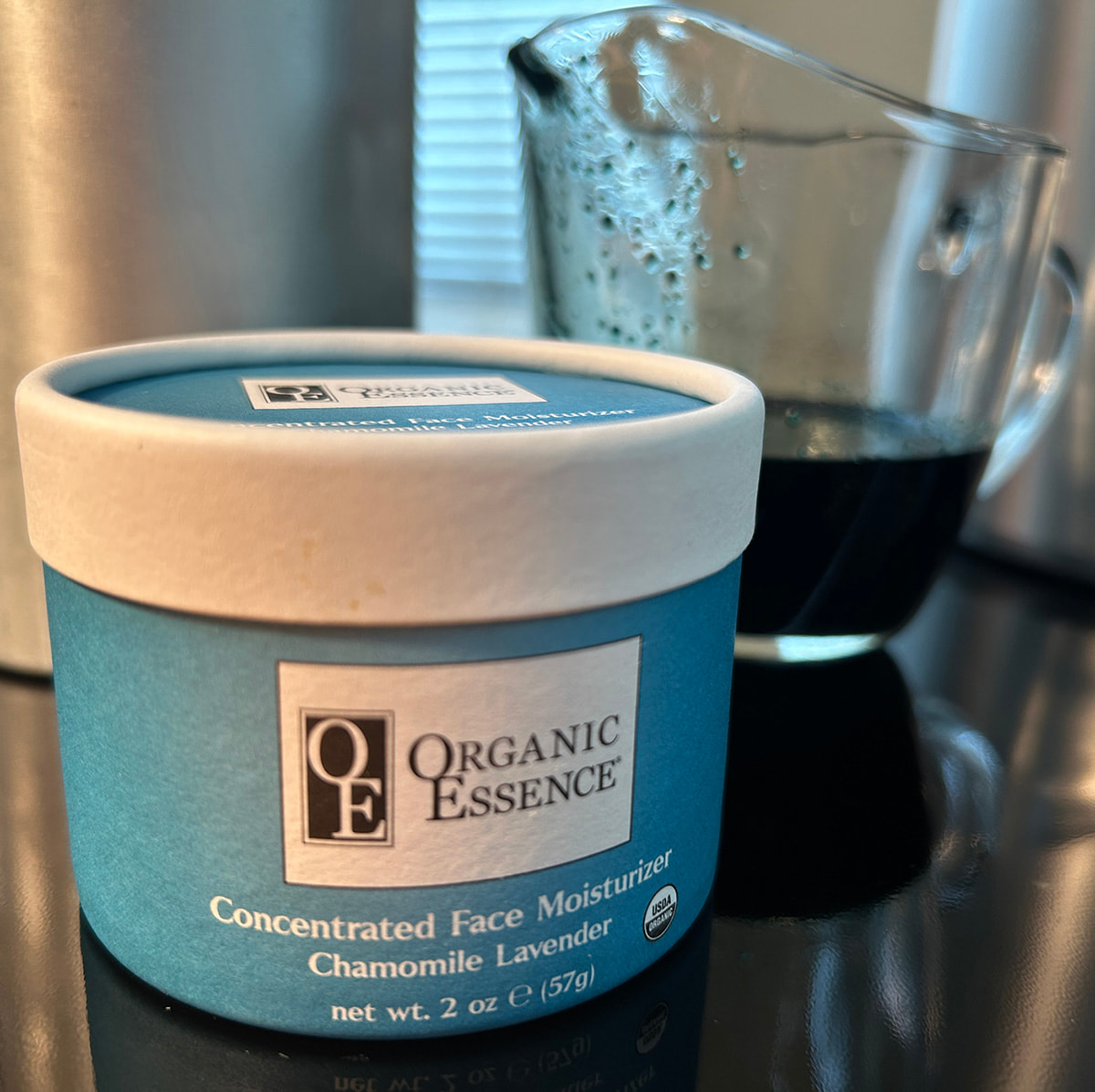
The most rigorous products answer both questions affirmatively — low-hazard ingredients that are also certified organic, verified by an independent third party, and held to food-grade standards from farm to formula. At Organic Essence, our USDA certified organic skincare line is formulated to meet both standards — because we believe ingredient safety and ingredient sourcing integrity are equally non-negotiable.
How to Use EWG Skincare Ratings Without Being Misled by Them
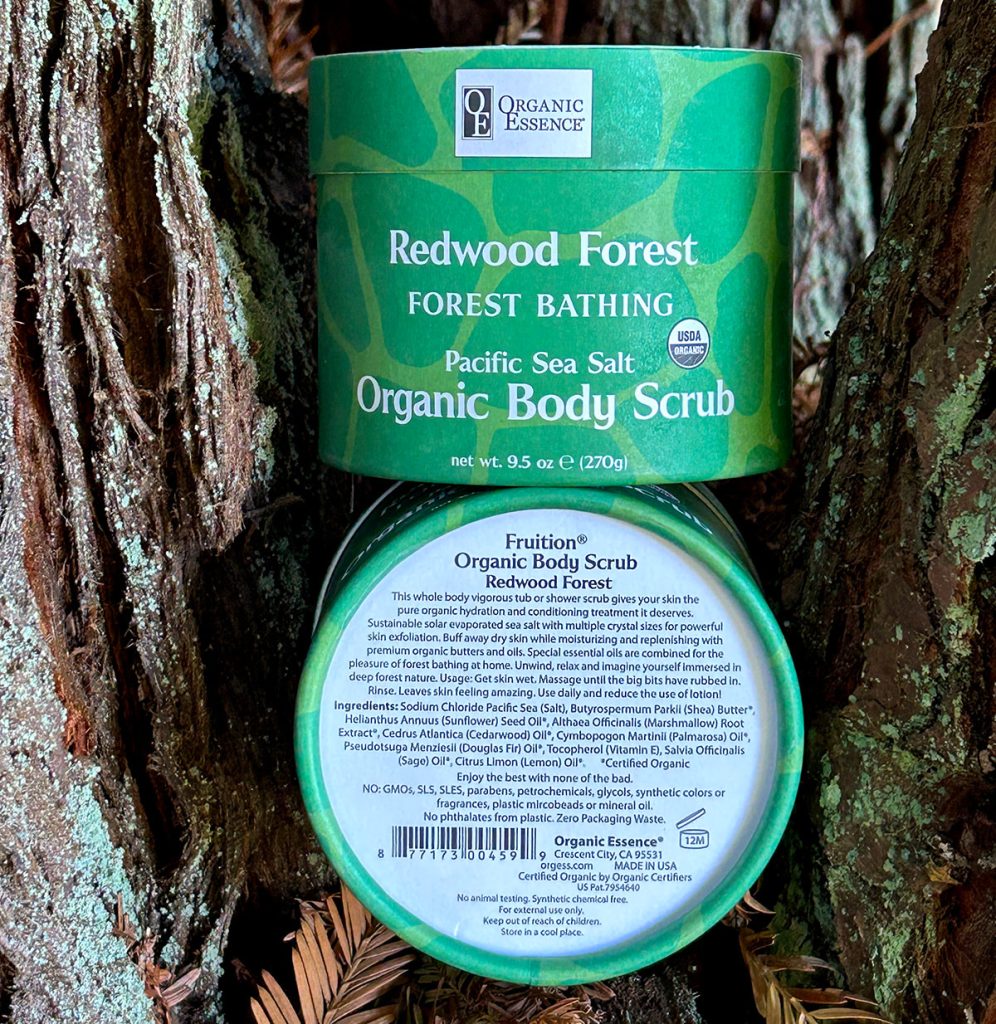
Use EWG’s Skin Deep database as a first filter, not a final verdict. If a product scores poorly on EWG, that’s a clear signal to look elsewhere. If it scores well, that’s a starting point — not a finish line. From there, look for the USDA Certified Organic seal, a named certifying agency on the label, and individual ingredients marked with an asterisk indicating certified organic status.
EWG tells you what’s not harmful. USDA Certified Organic tells you what’s verified clean from the ground up. Together, they give you the full picture. Separately, either one leaves gaps that greenwashing is more than happy to fill.