Walking into a health food store with organic products feels different from walking into a conventional supermarket. The lighting is softer, the packaging is earthier, the signage leans heavily on words like “natural,” “pure,” “wholesome,” and “organic.” That carefully constructed environment does something powerful — it creates a halo effect that extends to every product on the shelf, whether those products have earned it or not. Health food store organic claims deserve the same scrutiny you’d apply anywhere else — because the store’s aesthetic is not a certification.
How Health Food Stores Create the Organic Halo
Health food retailers have spent decades cultivating an identity built around wellness, environmental responsibility, and ingredient integrity. That identity is genuinely valuable to consumers navigating a market full of misleading claims — and for the most part, health food stores do carry a higher proportion of certified organic and non-GMO products than conventional grocery chains.
But the halo effect that makes health food store shopping feel inherently safer also creates cover for products that don’t deserve to be in that environment. When every product on a shelf is surrounded by certified organic neighbors, green packaging, and wellness-forward signage, consumers naturally extend trust to the entire category — including products that have never been anywhere near a certifying agency.
Store Brand Natural Lines Are Rarely Certified Organic
One of the most consistent patterns in health food retail is the store brand personal care line. These private label products are formulated to hit a price point, carry the store’s name, and sit in the natural beauty section surrounded by genuinely certified products. Their packaging uses the same earthy color palette, the same ingredient-forward language, and the same wellness positioning as certified organic brands — without the certification.
Look closely at the labels. “Made with natural ingredients” is not the same as USDA Certified Organic. “Contains organic extracts” is not the same as a certified organic formula. “Free from parabens and sulfates” tells you what’s been removed but nothing about what’s been verified. The Environmental Working Group’s Skin Deep database is a useful starting point for checking ingredients — but even a favorable EWG rating doesn’t tell you whether a product is certified organic.
The Organic Claim Without the Certification
Federal regulations require that products using the USDA Organic seal meet strict certification standards. But the word “organic” used in a brand name, a product description, or marketing copy operates in a grayer area — and health food store personal care sections are full of products that use “organic” as an aesthetic rather than a verified claim.
A brand name that includes the word “organic” carries no regulatory weight. A product described as “our organic formula” on the front label may contain a single organic ingredient among a list of conventional and synthetic ones. According to the USDA National Organic Program, only products that are certified by an accredited certifying agent and meet the full NOP standard are permitted to display the USDA Organic seal. Everything else is marketing.
What to Look for on the Health Food Store Organic Shelf
The health food store environment rewards label literacy more than almost any other retail setting — because the gap between what products appear to be and what they actually are is widest where the wellness halo is strongest. Three things to check on every personal care product regardless of where you buy it:
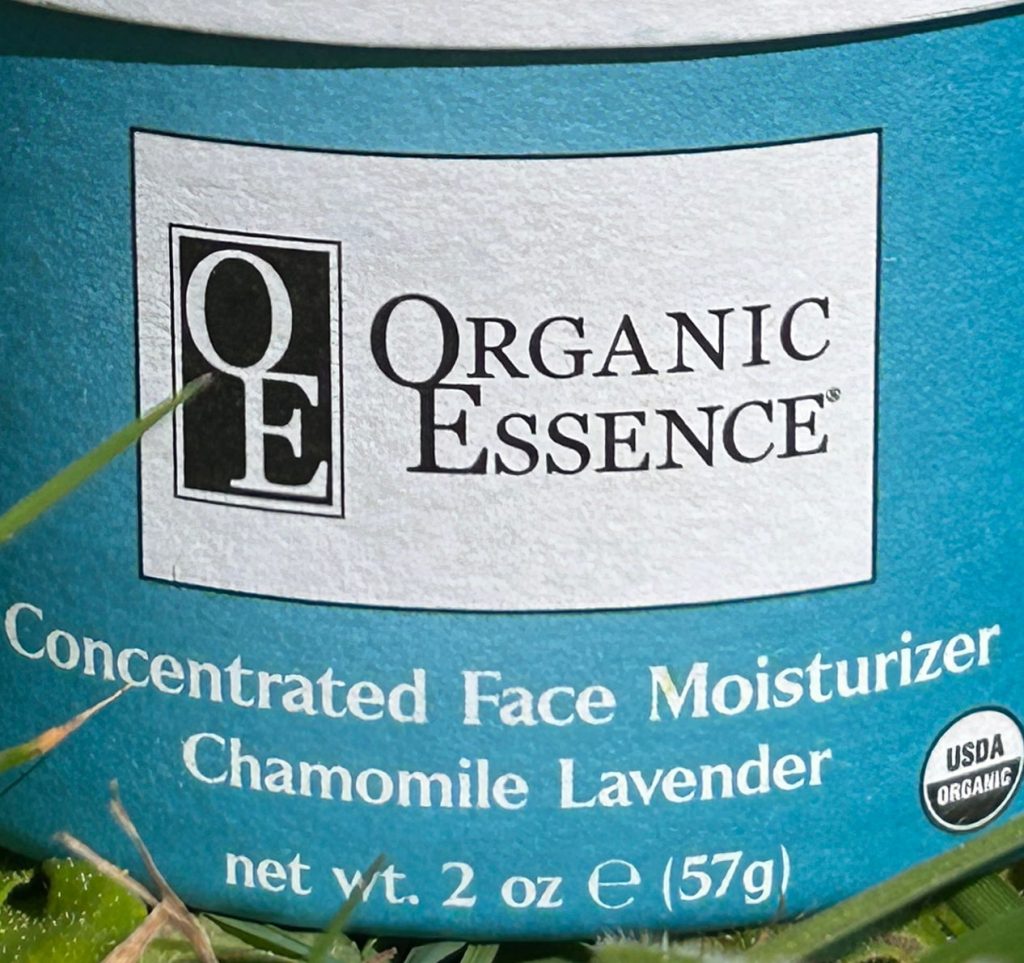
First, look for the USDA Certified Organic seal — not just the word organic anywhere on the package, but the actual seal with a named certifying agency. Second, check the ingredient list for asterisks marking individually certified organic ingredients. Third, if you can’t find a certifying agency named anywhere on the label, the organic claim has no independent verification behind it — regardless of how the product is positioned on the shelf or what the store’s overall brand identity suggests.
Why This Matters for Conscious Consumers
Choosing certified organic personal care products is a values decision that goes beyond ingredient safety. It’s a vote for farming practices that protect soil health, for supply chains that prohibit synthetic chemicals from field to formula, and for a standard that requires independent verification rather than self-certification. The health food store environment should make that choice easier — and for genuinely certified products, it does.
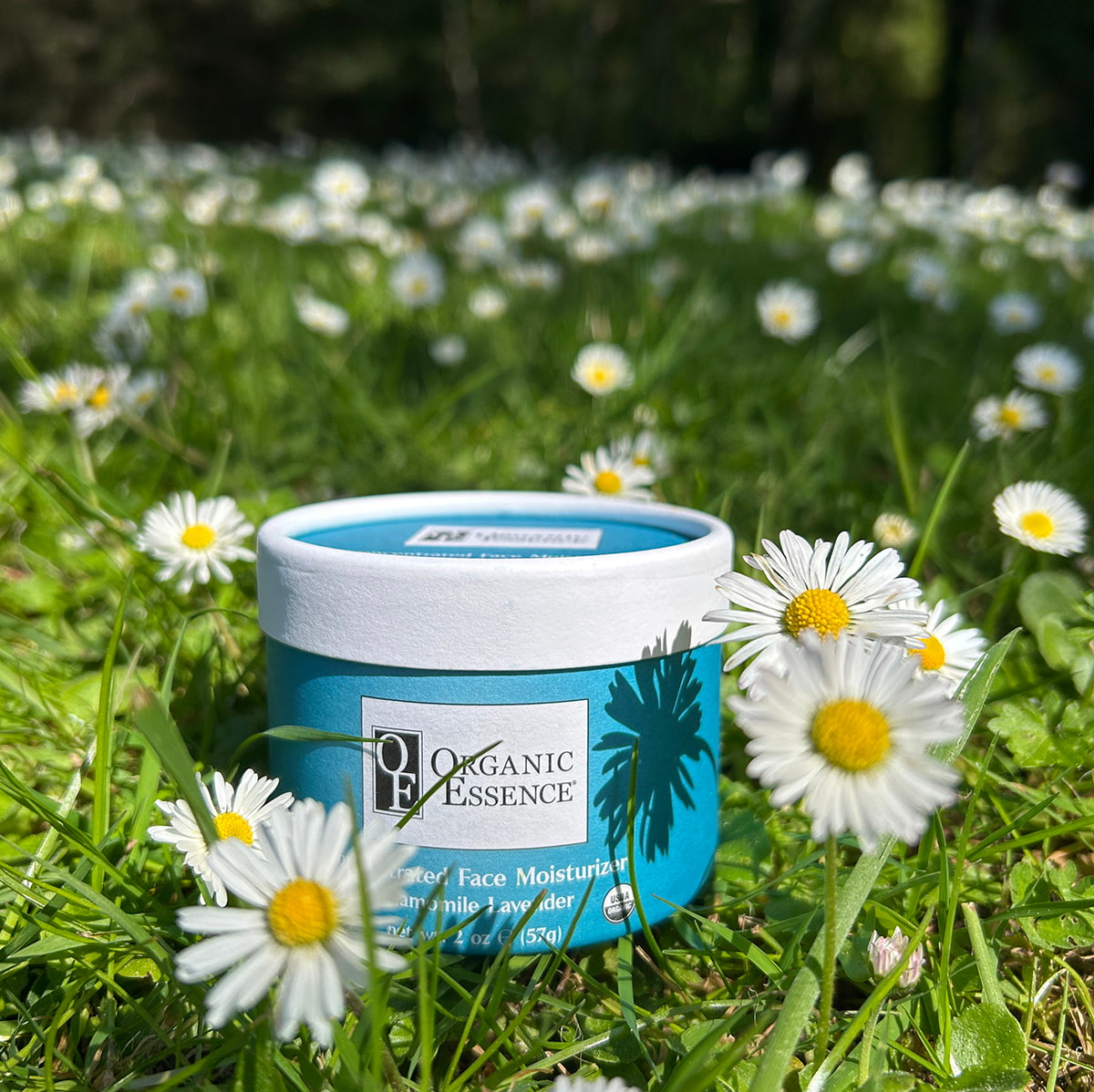
At Organic Essence, every product in our certified organic skincare line carries the USDA Certified Organic seal, a named certifying agency, and individually asterisked ingredients. That’s not a marketing position — it’s a verifiable standard that holds up to scrutiny whether you’re standing in a health food store aisle or reading the label at home.