
Beyond Organic — Regenerative Agriculture Explained
Certified organic farming says “do no harm.” Regenerative agriculture goes further — it says “actively heal.” Where conventional farming depletes soil over time and even standard organic farming focuses mainly on what to avoid, regenerative agriculture is about what you build. Healthier soil. More biodiversity. A farm that is genuinely more productive and resilient every single season than it was the last. It’s not a trend or a marketing term — it’s a measurable, science-backed approach to land stewardship that is gaining serious traction among farmers, researchers, and anyone who cares where their food and skincare ingredients actually come from.
What Regenerative Farming Actually Looks Like on the Ground
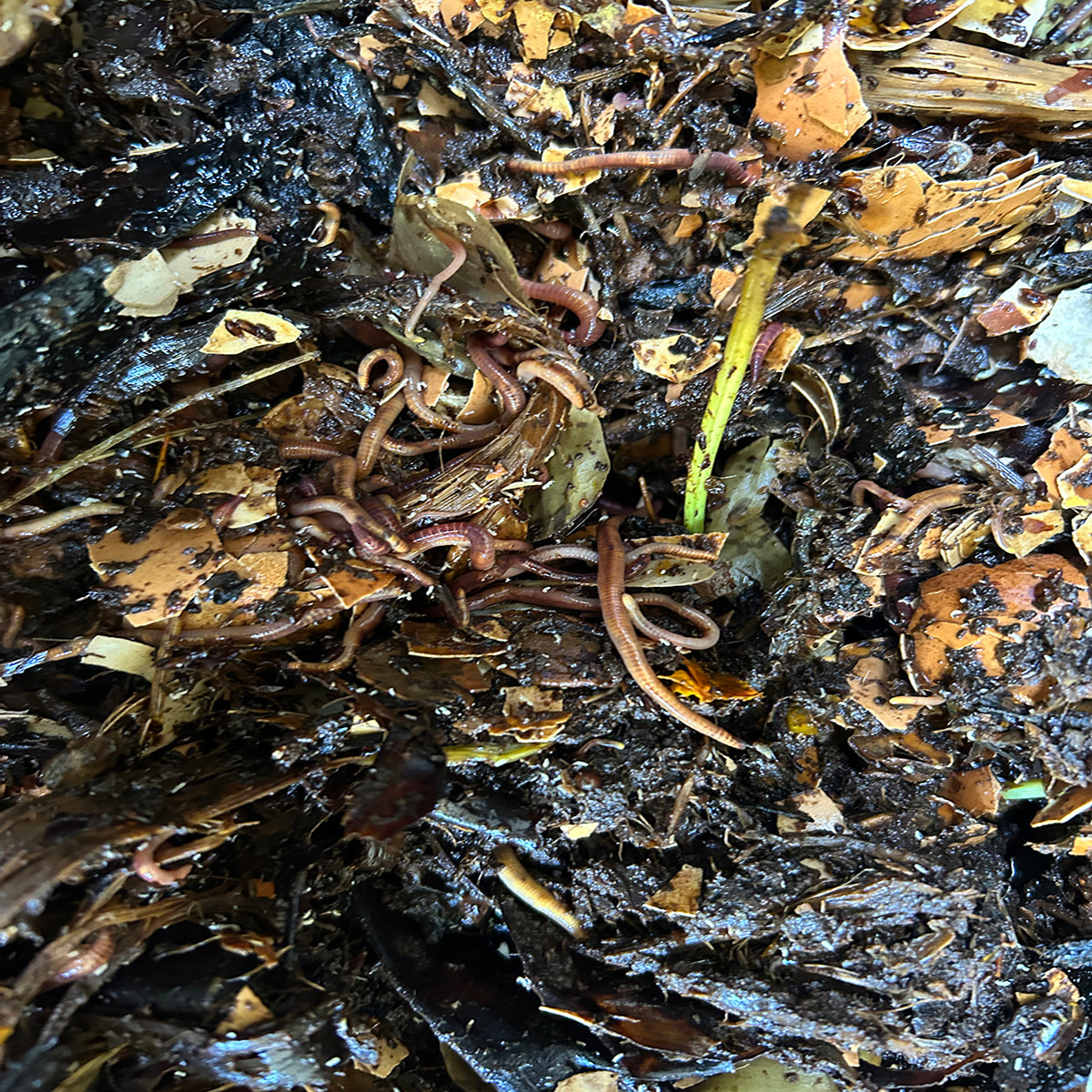
In practice, regenerative agriculture combines several time-tested principles. Cover cropping keeps soil protected and fixes nitrogen naturally between growing seasons. Composting and worm castings feed the soil’s living ecosystem rather than bypassing it with synthetic inputs. Integrating animals — like a certain opinionated mini horse — returns nutrients to the soil through natural grazing cycles. Minimizing tillage preserves the fungal networks underground that help plants absorb water and nutrients. The result is soil that builds organic matter year over year, sequesters carbon, and requires fewer and fewer external inputs over time. A certified organic orchard managed regeneratively doesn’t just sustain itself — it gets better.
What Does Regenerative Certification Actually Means
Regenerative agriculture is gaining formal recognition beyond farming philosophy. The Rodale Institute — rodaleinstitute.org one of the longest-running regenerative agriculture research organizations in the world — has documented for decades how soil-building practices outperform conventional and even standard organic methods over time. Their research consistently shows that regeneratively managed land sequesters more carbon, produces more nutrient-dense crops, and requires fewer external inputs with every passing season.
The metrics matter because “regenerative” is not yet a regulated term the way “certified organic” is. Anyone can use it. What separates genuine regenerative practice from marketing language is measurable outcomes — soil organic matter increasing year over year, biodiversity expanding, input costs declining. Those numbers don’t lie.
Why It Matters for Certified Organic Skincare
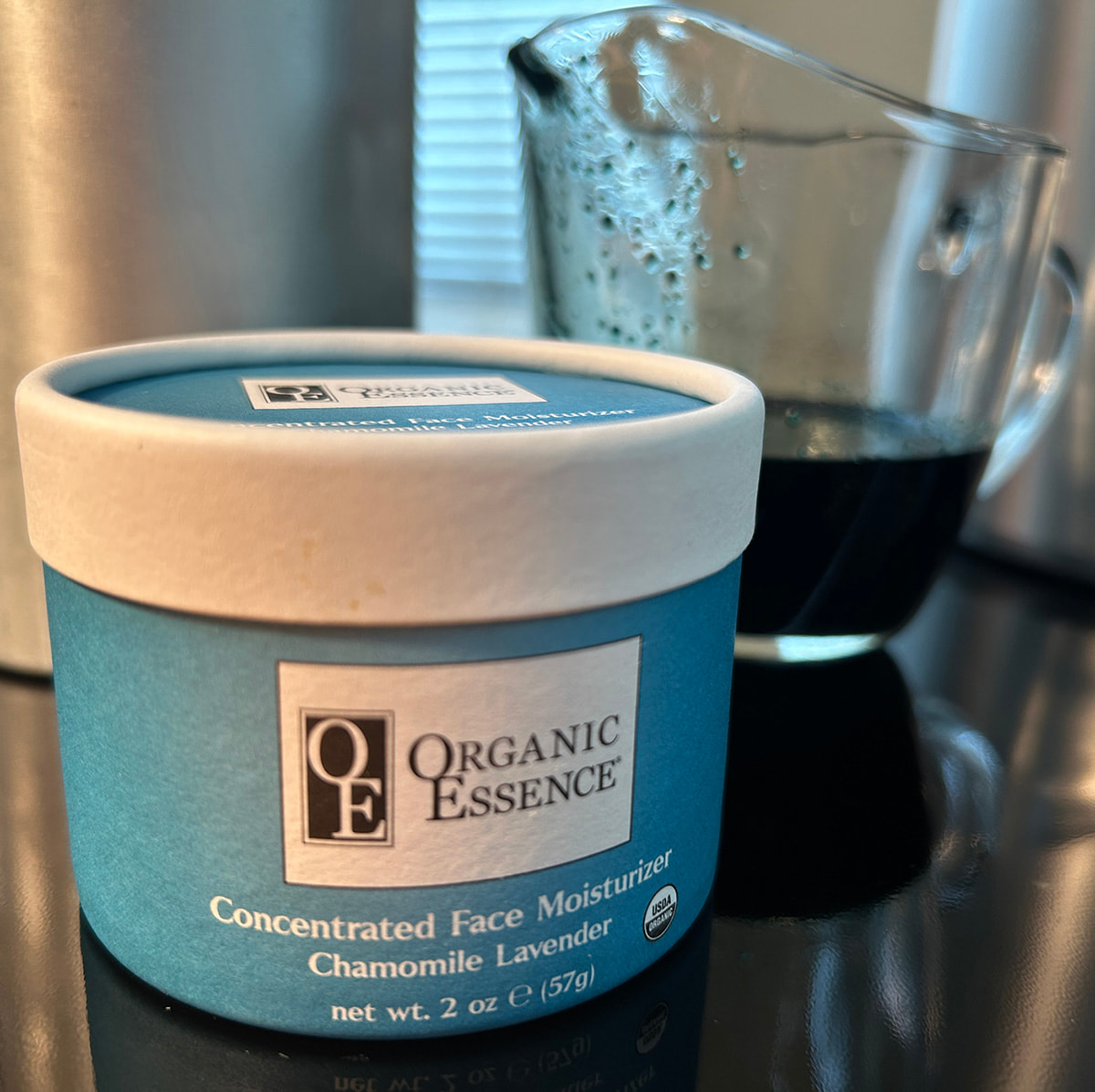
The connection between regenerative agriculture and clean skincare is direct. Nutrient-dense soil produces more bioavailable botanicals. Land managed without synthetic chemicals means zero chemical residue risk in the supply chain. And brands that understand regenerative principles at a farm level make better sourcing decisions — full stop. At Organic Essence, our certified organic farm isn’t just a values statement. It’s where we learned that the standard for truly clean, zero waste skincare starts long before anything goes into an Eco Jar or an Eco Tube. It starts in the soil.