You’ve seen the headlines. Plastic in the oceans. Microplastics in drinking water. Whales dying with stomachs full of trash. And yet — walk through any supermarket and plastic packaging is more dominant than ever. Environmental concern and plastic use are both increasing at the same time. How is that possible?
The answer involves science the plastics industry would rather you didn’t know, psychology they’re counting on, and a recycling charade that’s been sold to us as a solution while quietly making everything worse.
Let’s zoom in — and then zoom out.
What Toxic Plastic Packaging Actually Is (And Why It Matters for Your Skin)
Here’s the fact the plastics industry never leads with: all plastics are approximately 93% hydrocarbons and 7% synthetic-chemical plasticizers. Plasticizers are what give plastic its useful properties — durability, flexibility, UV resistance, clarity, color. Without them, plastic doesn’t work.
The problem? Plasticizers have always been known to be toxic.
When plastics were first developed, the assumption was that these chemicals would bind permanently with the hydrocarbons and become inert. Decades of real-world experience have proven otherwise. Toxic plasticizers leach into bottled water, food, and cosmetics. Essentially, every product containing water or oils that is packaged in plastic becomes contaminated by its own packaging.
For a certified organic skincare company, that’s not a footnote — it’s a dealbreaker.
The Two Fates of Every Piece of Plastic Ever Made
There’s another fact about plastic that’s obvious once you hear it, but almost never discussed: all plastics have only two end-of-life outcomes. Burning or breaking down.
Both release plasticizers into the environment.
Burning — whether in backyard fires, waste-to-energy plants, or industrial hydrolysis — converts plasticizers into even more harmful compounds that spread through the air before settling on land, water, and into lungs. Landfilling or ocean dumping just delays the inevitable: eventually every piece of plastic releases its plasticizers into the broader environment.
In the meantime, animals mistake plastic fragments for food. We’ve all seen the images. A sperm whale stranded on a beach, stomach packed with plastic, dead of starvation. That image is not an anomaly — it’s the system working exactly as designed, just in a direction nobody wanted to admit.
The starvation of individual animals, while heartbreaking, isn’t even the greatest threat. It’s plasticizers entering the food chain and bio-concentrating until entire ecosystems break down. An estimated one billion people depend on seafood as their primary daily food source. That’s a supply chain being quietly poisoned.

What About Bio-Plastics? (Spoiler: Not the Answer)
So-called bio-plastics — Poly Lactic Acid (PLA), corn-starch plastic, and similar materials — are frequently marketed as environmentally friendly alternatives. They aren’t.
Bio-plastics simply dump their plasticizers into the environment faster than conventional plastic. Fewer animals starve from eating them (because they break down more quickly), but the plasticizer-toxicity problem remains completely unresolved. Different timeline, same outcome.
The Recycling Myth: How We Got Played
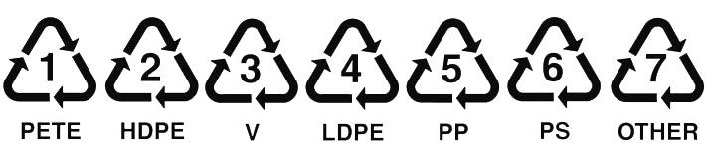
Recycling feels like the responsible choice. Sort your plastics, feel good, move on. The plastics industry has spent billions making sure it feels that way — because recycling is extraordinarily good for their business.
Here’s what actually happens when plastic gets recycled: sorted, cleaned plastic is ground up, then melted and reformed into new objects. What you don’t hear about is that this process requires chemicals called adjuvants to catalyze it. Adjuvants are significantly more toxic than standard plasticizers — and some remain in the finished recycled plastic.
This is precisely why almost no plastic water or soda bottles are made from post-consumer recycled plastic. Recycled plastic is routinely downcycled into clothing and non-food-contact products specifically to avoid product liability from toxic contamination. Chemical studies show that recycled plastic is far more toxic than virgin plastic.
And here’s the darkest irony of all: recycling plastic enables the plastics industry to produce and sell even more virgin plastic. When consumers feel they’ve done their part by recycling, they purchase more plastic-packaged products without guilt. Virgin plastics production is skyrocketing in parallel with recycling rates. Psychologists call this moral licensing — the unconscious belief that doing one good thing earns permission to continue the problematic behavior.
As consumers, we’re getting played. The recycling charade mainly serves to sell more plastic.
The Health Crisis Nobody Is Talking About Loudly Enough
What if the toxicity concerns are overblown? After all, people seem to be doing fine.
Actually, the data tells a different story.
The chemical family known as phthalates — common plasticizers — are hormone disruptors. Frogs living downstream from landfills become entirely female due to phthalate exposure, lose the ability to reproduce, and die off. In humans, the effects are equally dramatic.
Since the Industrial Revolution, average age of menarche — the onset of puberty in girls — has dropped steadily from 16.6 years old in the 1860s to approximately 10.6 years old today. The rate of decline accelerated sharply in the early 1980s when widespread plasticizer contamination in people became measurable. Conservative projections put the average age of menarche under 6 years old within three generations.
Male sperm counts in the US are currently about half of what they were for the previous generation at the same age. Mothers who appear healthy are passing phthalate exposure on to daughters in utero, affecting egg development before birth. At current trajectories, medical intervention may become the norm for pregnancy to occur.
This is not a fringe concern. It is a slow-moving, well-documented, deeply inconvenient public health crisis.
Why the Industry Keeps Winning (For Now)
The plastics industry is large, profitable, and politically sophisticated. Hundreds of thousands of jobs depend on plastic packaging and disposables. Business managers and investors have enormous financial stakes in the status quo.
Their strategy is layered and effective:
Moral licensing at scale — Promote recycling enthusiastically. Let consumers feel responsible. Sell more virgin plastic.
Legislative influence — States that ban single-use plastic bags often simultaneously allow retailers to sell heavy-duty plastic bags, and in some cases prohibit free paper bag distribution — creating a false equivalence between paper and plastic that benefits only one side.
Information management — Strategic ad buying and aggressive SEO campaigns push industry-friendly narratives to the top of search results. Industry-funded research floods the news cycle.
The parallels to the sugar and rum controversies of the 18th and 19th centuries are striking. Consumers purchasing desirable products were inadvertently funding the slave trade. Today, consumers purchasing plastic-packaged products are inadvertently funding environmental destruction that will harm billions. The mechanisms of denial, economic entrenchment, and slow public awakening are remarkably similar.
The Good News: Paper Was Always the Answer
Plastic packaging exploded into supermarkets in the 1970s. By the 1980s, entire product categories existed only in plastic. We’ve forgotten that yogurt was packaged in wax-coated paper cups before that shift — and the packaging worked perfectly well.
The technology to replace disposable plastic packaging already exists. Paper comes from life and returns to life. It does not accumulate plasticizers. It does not persist in ecosystems for centuries. It does not leach hormone disruptors into the products it carries.
At Organic Essence, this realization wasn’t theoretical. It was personal.
When a young sperm whale stranded near our home on South Beach and died — its stomach filled with plastic — we were already a certified organic skincare company committed to clean, non-toxic formulations. But our packaging was plastic. We couldn’t unknow what we’d seen.
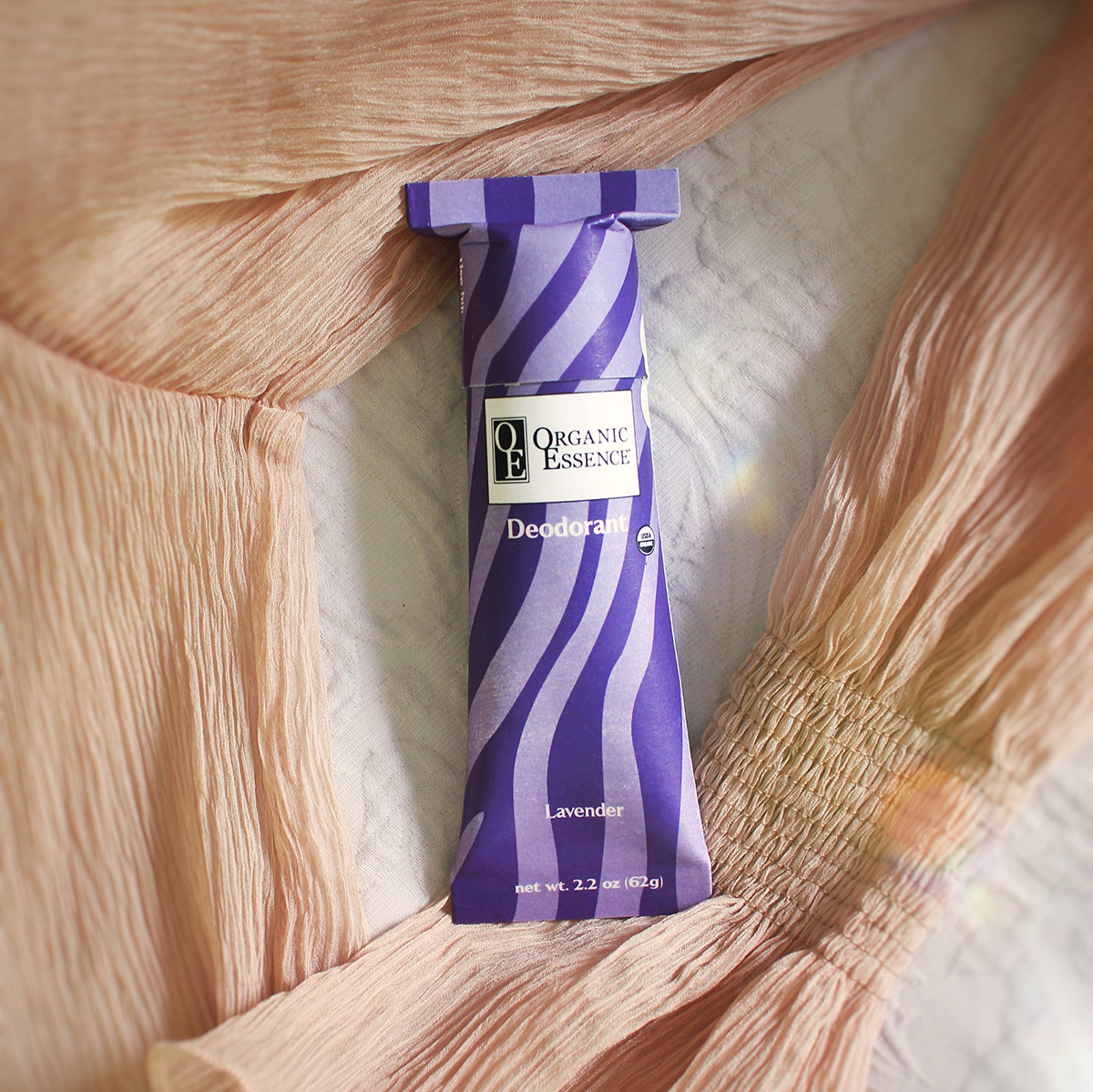
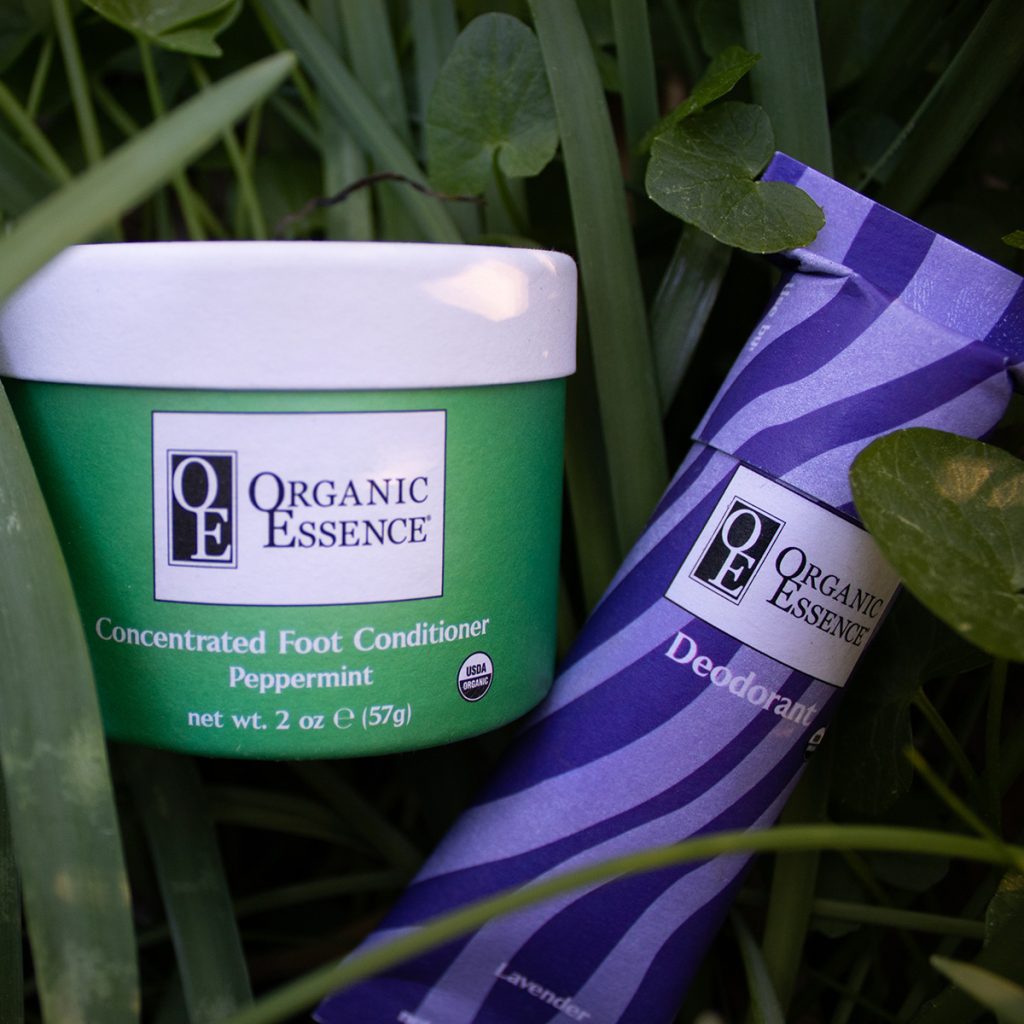
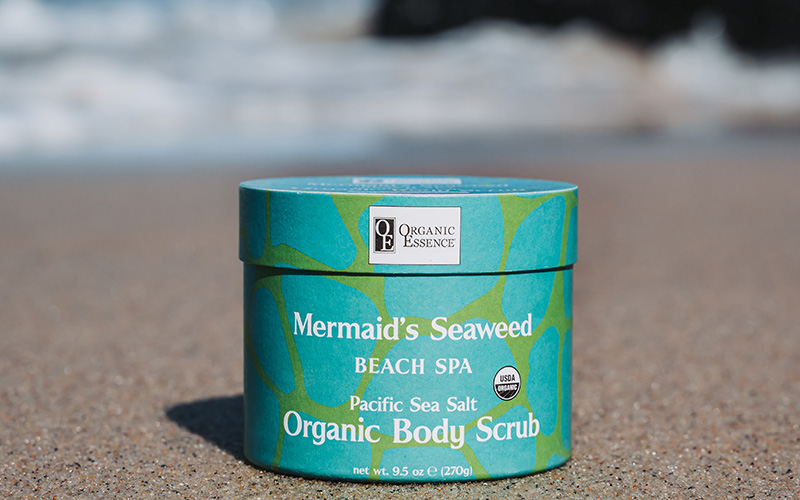
So we engineered our way out. Organic Essence developed the Eco Tube — the world’s first home compostable body care packaging — along with paper jars and paper tubes that go back to the earth without a trace. No greenwashing. No offsets. No recycling charade. Real zero waste, plastic free packaging for real organic body care.
What You Can Do Right Now
Developing sustainable packaging is not as hard or expensive as the plastics industry wants you to believe. The greatest obstacle is industry money and brand inertia — not technology.
Here’s how to push back:
Vote with your wallet. When a plastic-free or zero waste alternative exists, choose it. For certified organic skincare, personal care, and food products especially — where plasticizer contamination of the actual product is a direct health concern.
Factor in the real cost. You are a lifelong, daily consumer of plasticizer exposure through your food and personal care packaging. That price adds up in ways that don’t appear on any receipt.
Call out your favorite brands. “I love your product but I don’t want to buy your pollution.” Say it online. Say it to store managers. Brands respond to customer pressure because they have to.
Share what you know. The information in this article is not secret — but it is actively suppressed by industry spending. Every conversation you have is a counter-move.
The shift away from irresponsible plastic packaging will be disruptive. It will feel expensive and inconvenient at first, because a lifetime of marketing has trained us to expect plastic-level prices. But the actual cost of plastic — measured in ecosystem collapse, human fertility decline, and contaminated food chains — is one we cannot afford to keep paying.
Ellery West is CEO and co-founder of Organic Essence and co-inventor of the Eco Tube — the world’s first home compostable body care packaging. Organic Essence makes certified organic skincare and organic body care products on a certified organic farm, packaged plastic free and zero waste.
For more on sustainable packaging: ecovisionpackaging.com