
Certified organic farming is built on one foundational truth — healthy soil produces everything. The quality of what grows from the ground, the integrity of the ingredients in your skincare, and the long-term resilience of the land itself all trace back to what’s happening beneath the surface. Here’s what that actually looks like in practice.
Why Certified Organic Farming Starts With Soil
Soil is not just dirt. In a certified organic farming operation, soil is a thriving biological community — billions of bacteria, fungi, nematodes, and microorganisms working together to feed every root, every tree, every fruit. When that ecosystem is healthy, plants are naturally more resilient, more nutrient-dense, and less dependent on intervention. When it’s depleted by synthetic fertilizers and pesticides, the opposite is true. Certified organic farming starts with protecting and rebuilding that living community — season after season, year after year.
Worm Castings: Nature’s Most Efficient Fertilizer
If there’s one amendment that certified organic farming practitioners swear by, it’s worm castings. Vermicompost — the byproduct of earthworm digestion — is extraordinarily rich in bioavailable nutrients, beneficial microbes, and natural growth hormones that synthetic fertilizers simply cannot replicate. Unlike chemical inputs that feed the plant directly and bypass the soil, worm castings feed the soil itself, strengthening the entire ecosystem from the ground up. A handful of quality worm castings does more long-term work than a bag of synthetic nitrogen — and leaves nothing harmful behind.
Regenerative Practices That Close the Loop
Certified organic farming is about cycles, not corrections. Integrating livestock grazing into an orchard returns manure nutrients directly to the soil, rebuilding organic matter and microbial diversity naturally. Cover cropping prevents erosion and fixes nitrogen without chemicals. Composting closes the nutrient loop. These aren’t new ideas — they’re ancient agricultural wisdom backed by modern soil science. The result is land that gets healthier every year rather than more dependent on external inputs. That’s what grown without compromise actually looks like.
What Certified Organic Soil Testing Looks Like
Certified organic farming isn’t self-reported — it’s verified. During annual inspections, certifying agents review soil management records, input logs, and on-site practices to confirm that nothing prohibited has touched the land. Soil tests document organic matter levels, microbial activity, and the absence of synthetic residues. If a neighboring farm uses pesticides that drift onto certified land, that has to be documented and addressed. The paper trail is as important as the practice — because certification is only as credible as the verification behind it.
How We Manage Soil at Our Crescent City Farm
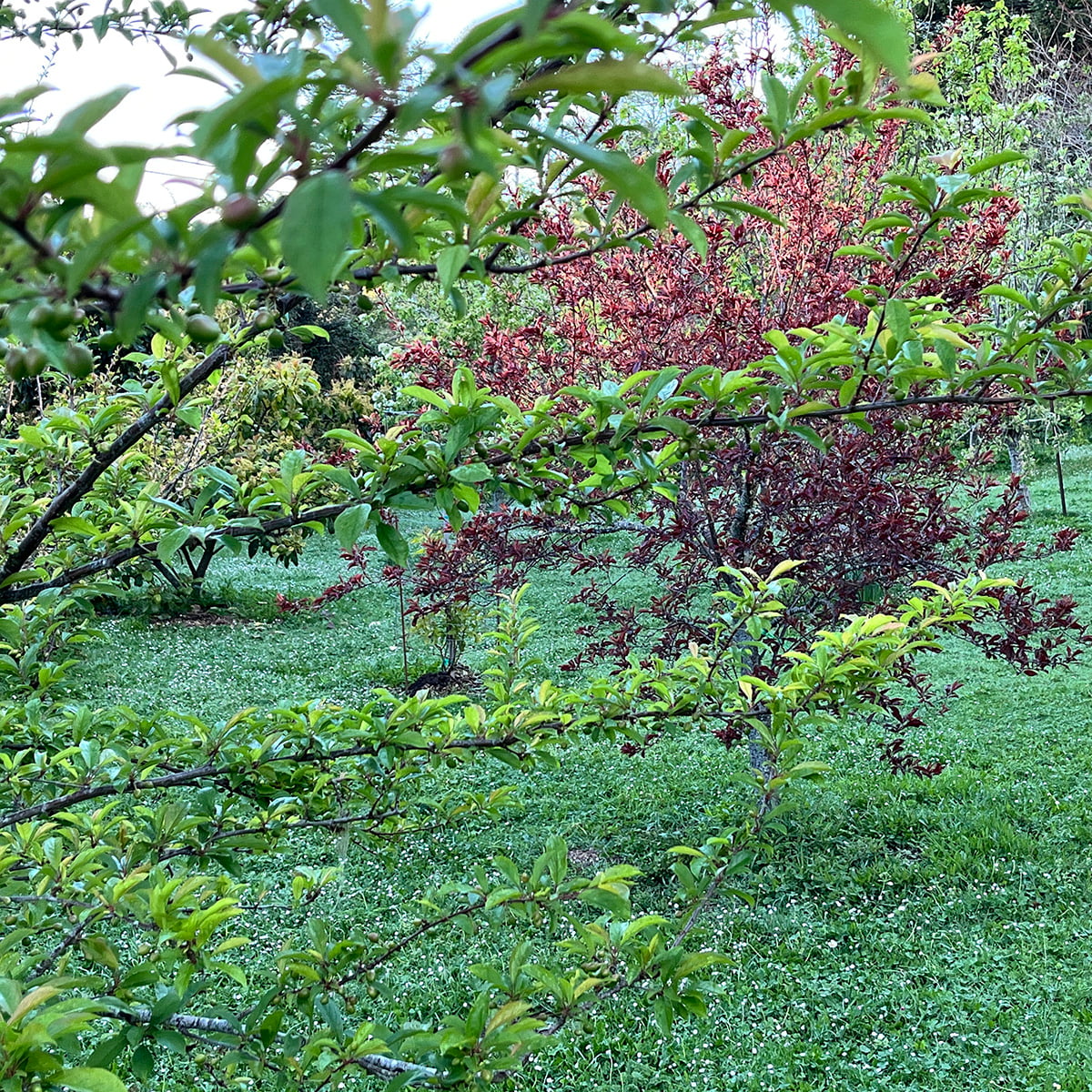
At Organic Essence, certified organic farming isn’t a marketing position — it’s what we do on our own land in Crescent City, California. Our certified organic orchard is managed with worm castings, cover crops, and rotational grazing. Arias, our Chief Organic Officer and resident mini horse, plays an active role in orchard management — returning nutrients to the soil the old-fashioned way. Every season, we’re rebuilding what’s beneath the surface, not just harvesting from it. That commitment to soil health is the foundation everything else is built on.
From Soil to Skincare
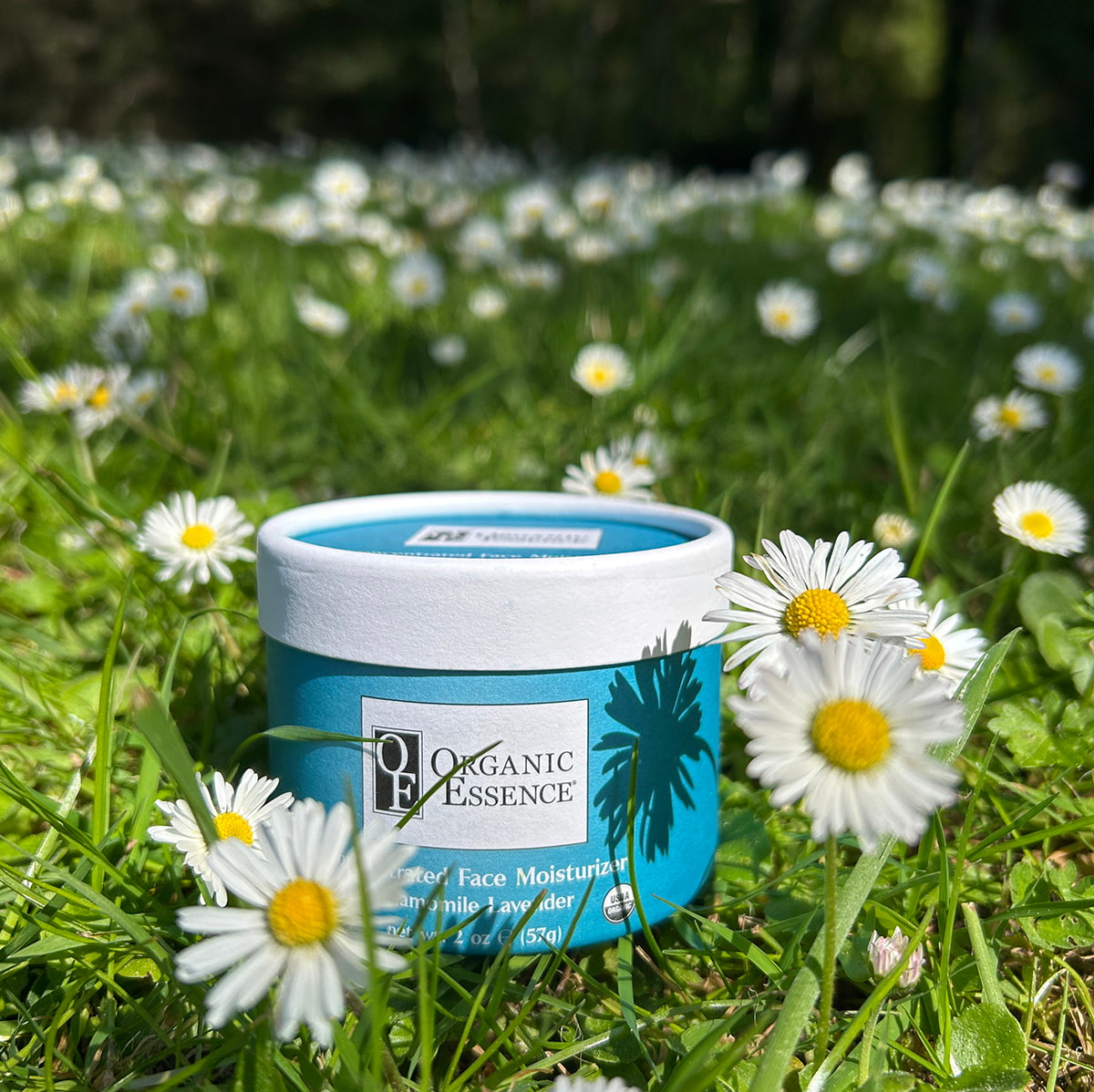
The connection between certified organic farming and clean skincare is direct. When ingredients are grown in healthy, living soil without synthetic inputs, they carry that integrity into the final formula. Organic shea, organic botanicals, organic farm-grown inputs — none of it starts in a lab. It starts in the ground from dedicated organic growers.
The difference shows up in the finished product in ways that are measurable, not just philosophical. Ingredients sourced from living, biologically active certified organic soil have higher concentrations of beneficial compounds — the vitamins, fatty acids, and antioxidants that make genuinely clean skincare worth using. Depleted soil produces ingredients that meet the organic standard on paper but lack the nutritional density that healthy soil delivers. At Organic Essence, farming our own certified organic land in Crescent City gives us a firsthand understanding of what real soil stewardship looks like — and that knowledge informs every sourcing decision we make. That’s not an empty claim from our growers. It’s a verified supply chain.