
The USDA Certified Organic seal is one of the most recognized labels in food and personal care — and one of the most misunderstood. Here’s what it actually takes to earn it and keep it, whether you’re running a farm or formulating a body butter.
It Starts With an Accredited Certifier — Not USDA Directly
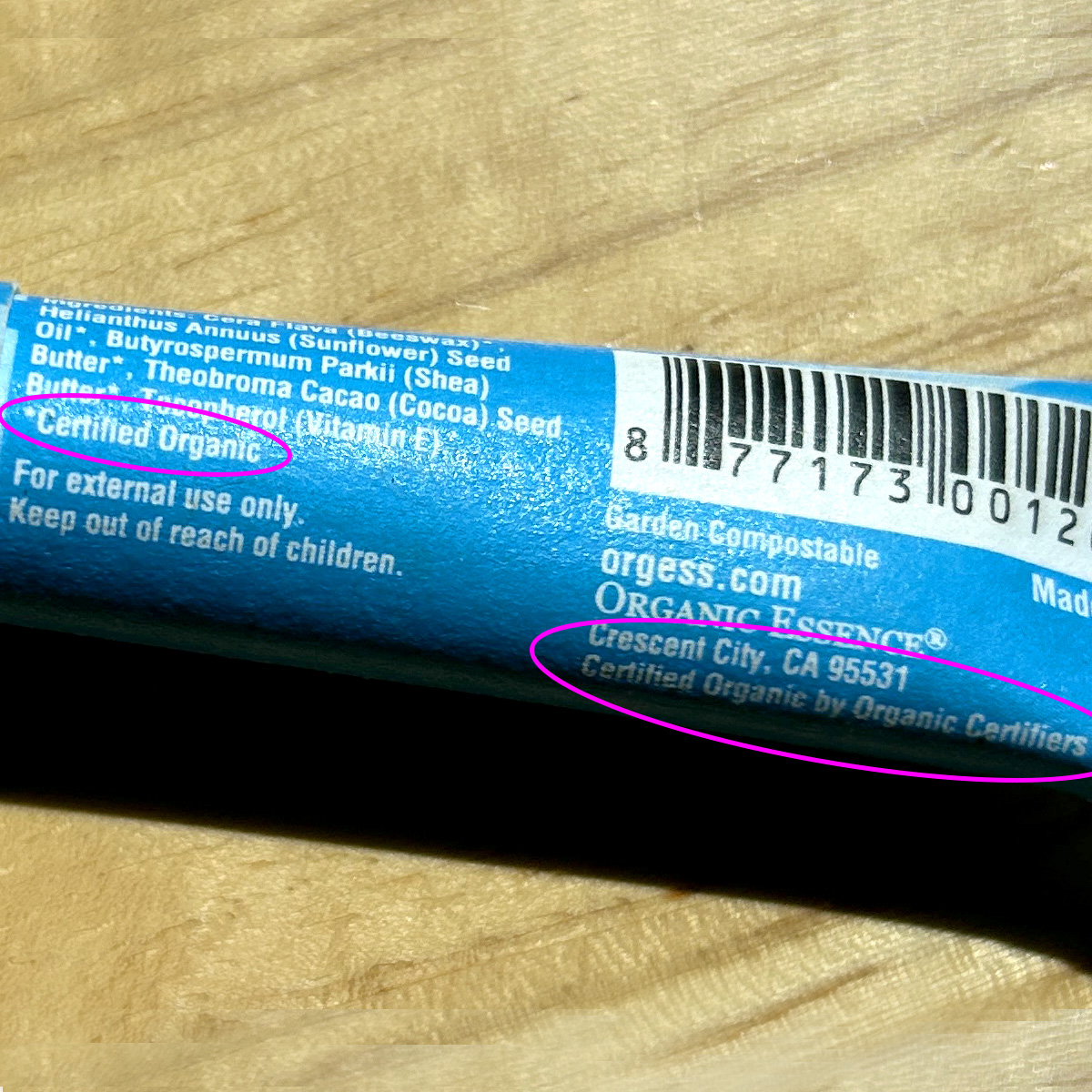
Contrary to what most people assume, USDA doesn’t show up at your door with a clipboard. Instead, the USDA accredits third-party certifying agents — independent organizations authorized to inspect and certify operations on their behalf. You apply through one of these agents, not through USDA itself. There are dozens of accredited certifiers across the country, each covering farms, handlers, and processors. At Organic Essence, our certification is verified by an accredited third-party certifier annually — no exceptions.
The Application Is More Paperwork Than You’d Expect
Both farms and product manufacturers start with an Organic System Plan — a detailed document outlining every input, practice, and process used in production. For a farm that means soil management, pest control, seeds, and water sources. For a skincare brand it means every ingredient, supplier, and processing method. Nothing is assumed. Everything is documented.Inspections are onsite, yearly and have in and out audits.
Inspections cover both what goes in and what comes out. On the input side, inspectors verify every material entering the operation: soil amendments, seeds, pest controls, ingredients, and suppliers. On the output side, they trace every batch produced — confirming that certified organic product was handled, labeled, and distributed without commingling with non-organic product at any point. For a skincare brand, that means batch records, formulation logs, and label verification all have to match. The paper trail runs in both directions.
If any ingredient or input can’t be verified as compliant, it doesn’t make the cut — regardless of how natural it sounds. This is why USDA Certified Organic skincare is fundamentally different from products that simply claim to be organic with no certification behind the claim.
Then Comes the USDA Certified Organic Inspection
Once the paperwork is reviewed, a certified inspector visits on-site. For farms that means walking the land, reviewing records, checking inputs, and verifying that what’s written in the plan matches what’s actually happening in the field. For product manufacturers it means reviewing formulations, sourcing records, and production facilities.
The inspector doesn’t just take your word for it. Soil tests, supplier certificates, purchase records — all of it gets checked. At our certified organic farm in Crescent City, California, this annual process is part of how we operate — not a hurdle we clear once and forget about.
Certification Isn’t a One-Time Trophy
This is the part most people don’t realize. USDA Certified Organic certification requires annual renewal. Every year, a new Organic System Plan, updated records, and a new inspection. If practices change — new supplier, new ingredient, new land — that change has to be reported and approved before it’s implemented, not after.
There’s no grandfathering. No “we were certified last year so we’re probably fine.” The standard is continuous, not historical. For a certified organic skincare brand, that means every product in the line is re-verified every single year. That’s the commitment behind the seal.
What It Means When You See the USDA Certified Organic Seal
When a farm or a skincare brand carries the USDA Certified Organic seal, it means someone independent has verified their practices — recently, in person, against a documented standard. It’s not a marketing claim. It’s a paper trail.
That distinction matters more than ever in a market where “natural,” “clean,” and “organic” are used interchangeably and without accountability. The seal is the only shortcut that actually means something — because behind it is a certifying agent, an annual inspection, and a documented Organic System Plan that has to hold up to scrutiny every year without