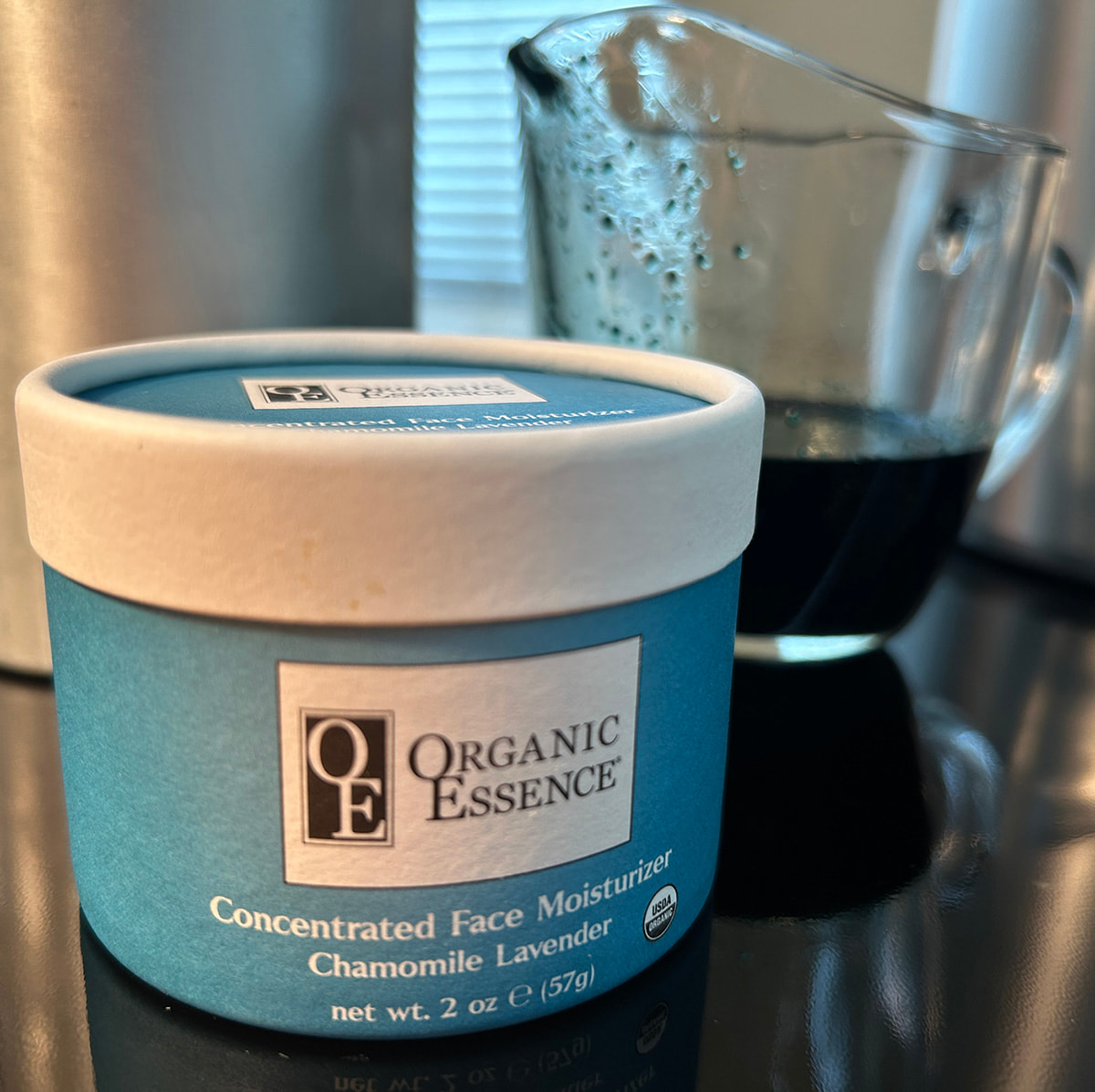
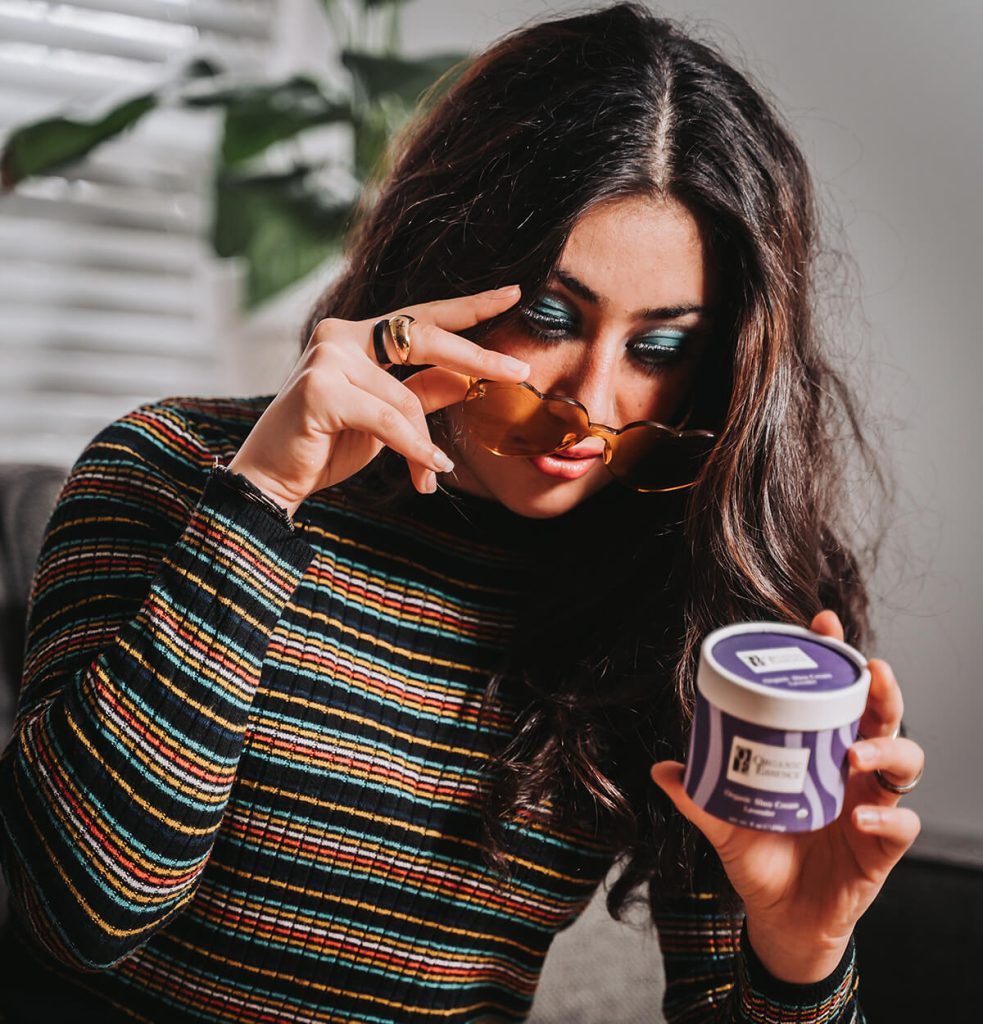
Most people glance at an ingredient list, see a string of unpronounceable words, and put the product back on the shelf — or worse, toss it in the cart without a second thought. But learning to read an ingredient deck is one of the most empowering skills a conscious consumer can develop. Ingredients are listed in descending order by concentration, meaning the first five ingredients make up the bulk of what you’re actually putting on your skin. When you pick up Organic Essence Certified Organic Shea Cream in Lavender, those first ingredients are exactly what you’d hope for — certified organic shea butter, organic lavender essential oil, and plant derived emollients with zero synthetic fillers, parabens, or petroleum derivatives hiding in plain sight.
The Whole Formula Tells the Same Clean Story
Certified USDA organic skin care takes ingredient transparency to the next level because every ingredient must meet strict organic certification standards — not just the hero ingredient on the front label. It’s hard to believe that we even have to mention this but this is the era of large brands disguising their compromising ingredient choices. Many conventional brands lead with one organic ingredient to earn consumer trust while the rest of the formula is synthetic. With Organic Essence, the entire ingredient deck tells the same clean story from top to bottom. No greenwashing, no misleading marketing, no synthetic chemicals dressed up in scientific sounding names — just certified organic ingredients your skin recognizes, and your conscience can stand behind.
What the Asterisk Actually Means
On a legitimately certified organic product, individual ingredients are marked with an asterisk (*) followed by the words “certified organic” somewhere near the ingredient list. That asterisk is doing real work — it tells you exactly which ingredients have been independently verified as organic, not just claimed. Look for it on every product you buy. No asterisk, no accountability.
The certifying agency should also be named — usually printed near the USDA seal or at the bottom of the ingredient deck. A legitimate third-party certifier like California Certified Organic Farmers (CCOF) or Oregon Tilth backs up every claim with annual inspections and a documented paper trail. If you can’t find a certifying agency named on the label, the organic claim has no independent verification behind it.
Ingredients to Avoid in Conventional Skincare
Reading an ingredient deck also means knowing what you’re looking to avoid. Parabens (methylparaben, propylparaben, butylparaben) are synthetic preservatives linked to endocrine disruption. Sodium Lauryl Sulfate (SLS) and Sodium Laureth Sulfate (SLES) are detergents that strip the skin’s natural barrier. Mineral oil and petrolatum are petroleum derivatives that coat the skin without nourishing it. Synthetic fragrances hide under the single word “fragrance” and can contain hundreds of undisclosed chemical compounds.
None of these ingredients appear in USDA certified organic skincare. The certification standard prohibits them — not because they’re inconvenient, but because they don’t belong on skin. The Environmental Working Group’s Skin Deep database is a reliable resource for checking any ingredient you’re unsure about.
Why Label Literacy Is a Skincare Superpower
Once you know how to read an ingredient deck, you can’t unknow it. The marketing on the front of the package becomes almost irrelevant — what matters is what’s printed in small type on the back. “Natural,” “clean,” “gentle,” “botanical” — none of these words are regulated. They mean whatever the brand decides they mean.
USDA Certified Organic means something specific, legally enforceable, and independently verified. When you see that seal alongside a named certifying agency and asterisked ingredients, you’re holding a product that earned its claims rather than borrowed them. That’s what Organic Essence certified organic skincare delivers — ingredient transparency from the first line to the last, every single time.