
Natural food distribution in the United States looks very different than it did twenty years ago. What was once a network of regional distributors — each with deep relationships with local health food stores, co-ops, and independent grocers — has consolidated dramatically. For small certified organic brands trying to get their products onto health food store shelves, that consolidation has real consequences that rarely get discussed openly.
How Natural Food Distribution Used to Work
For most of the natural foods industry’s history, distribution was regional and relationship-driven. Smaller distributors knew their territories, knew their retailers, and knew their brands. A small certified organic skincare company could approach a regional distributor, build a relationship, and realistically get placement in independent health food stores across a multistate region without navigating a massive corporate infrastructure.
Those regional distributors also provided something beyond logistics — they curated. A distributor’s buyer made genuine decisions about which products belonged in their portfolio, which created meaningful barriers to entry for conventional brands trying to greenwash their way onto natural food store shelves. The gatekeeping wasn’t perfect, but it existed.
What Happened to Regional Natural Food Distributors
Over the past two decades, the natural food distribution landscape consolidated at a pace that reshaped the entire industry. Smaller regional distributors were acquired, merged, or simply pushed out as larger players expanded their geographic footprint and offered retailers pricing and logistics that smaller operations couldn’t match at scale. The result is a market where a small number of large distributors now control the majority of natural food product movement in the United States.
According to SPINS, the natural and specialty food industry has seen significant consolidation at both the retail and distribution levels over the past decade. For brands, this means fewer distribution options, higher minimum order requirements, and more complex onboarding processes that favor established brands with existing velocity over emerging certified organic companies with compelling products but limited marketing budgets.
How Market Definition Changes the Consolidation Story
When consolidation in any industry reaches a certain threshold, antitrust questions naturally arise. In the natural food distribution space, those questions have been addressed in part by how the relevant market gets defined. If the natural food distribution channel is measured against the entire grocery distribution industry — including conventional supermarket chains, mass market retailers, and club stores — the market share held by any single natural food distributor looks relatively modest.
But for a small certified organic skincare brand whose customers shop at natural food stores, co-ops, and independent health grocers, the relevant market isn’t the entire grocery industry. It’s the natural channel specifically — the retailers whose customers are actively seeking out certified organic, non-GMO, and clean label products. In that narrower, more relevant market, the consolidation story looks considerably more significant.
What This Means for Small Certified Organic Brands
For brands like Organic Essence, natural food distribution consolidation creates real barriers to retail shelf space that have nothing to do with product quality or consumer demand. Slotting fees, minimum volume commitments, and complex compliance requirements are all easier to absorb for large brands with established infrastructure than for small certified organic companies operating on genuine quality rather than marketing spend.
The irony is that the consumers most likely to seek out USDA certified organic skincare are the same consumers shopping in the natural channel — the exact retail environment where distribution consolidation has made it hardest for small certified organic brands to compete on a level playing field.
Why Direct to Consumer Matters More Than Ever for Organic Brands
The consolidation of natural food distribution is one of the clearest arguments for why direct to consumer channels matter so much for small certified organic brands. When the distribution infrastructure that once connected small brands to natural food retailers becomes harder to access, building a direct relationship with conscious consumers becomes not just a preference but a strategic necessity.
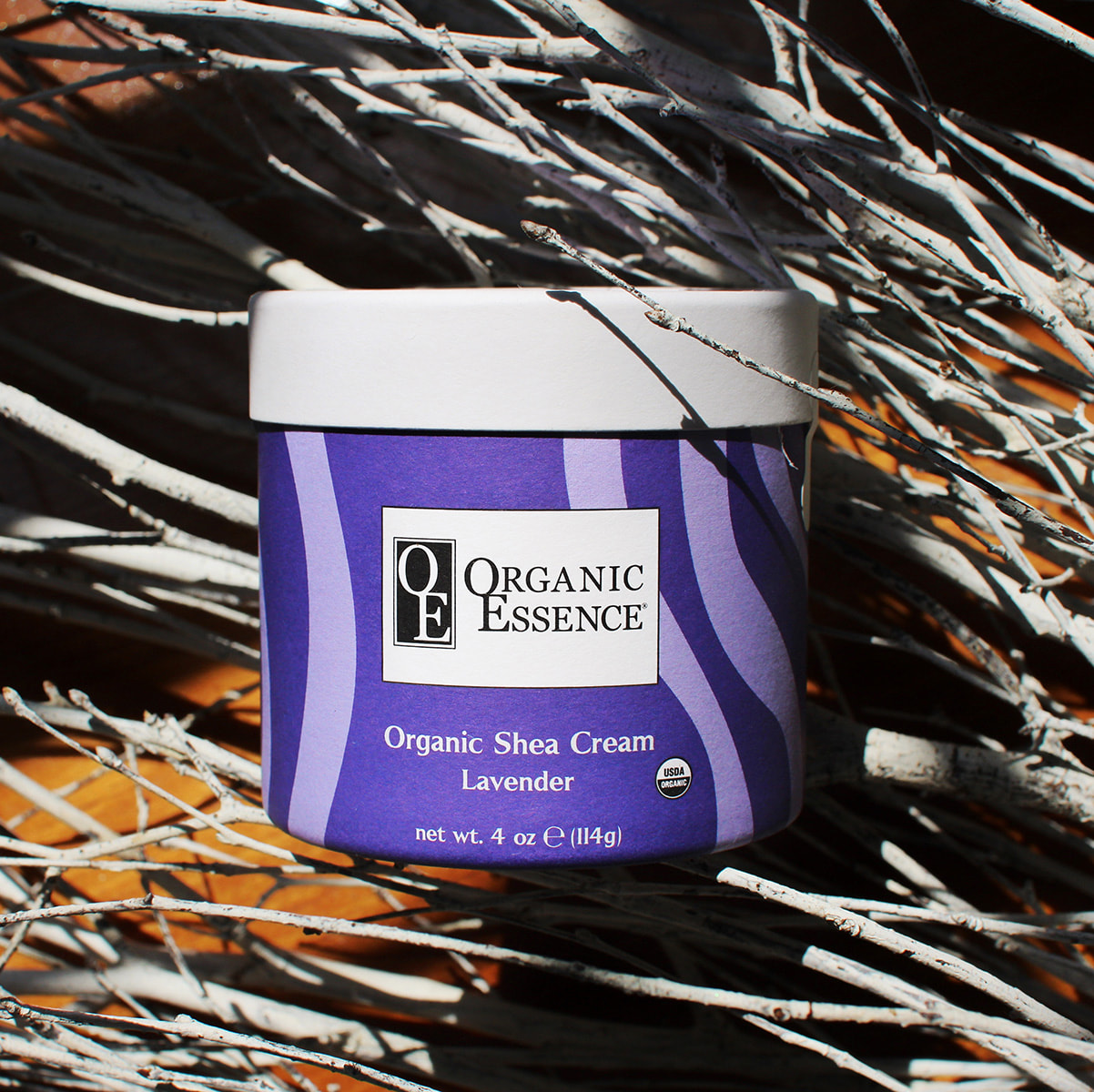
At Organic Essence, our commitment to USDA certified organic standards has never depended on shelf placement in any particular retail channel. The integrity of what we make — from our certified organic farm in Crescent City to every Eco Jar and Eco Tube — exists independent of who’s willing to distribute it. But understanding how distribution consolidation shapes the natural foods market helps explain why finding brands like ours sometimes requires looking beyond the health food store shelf.