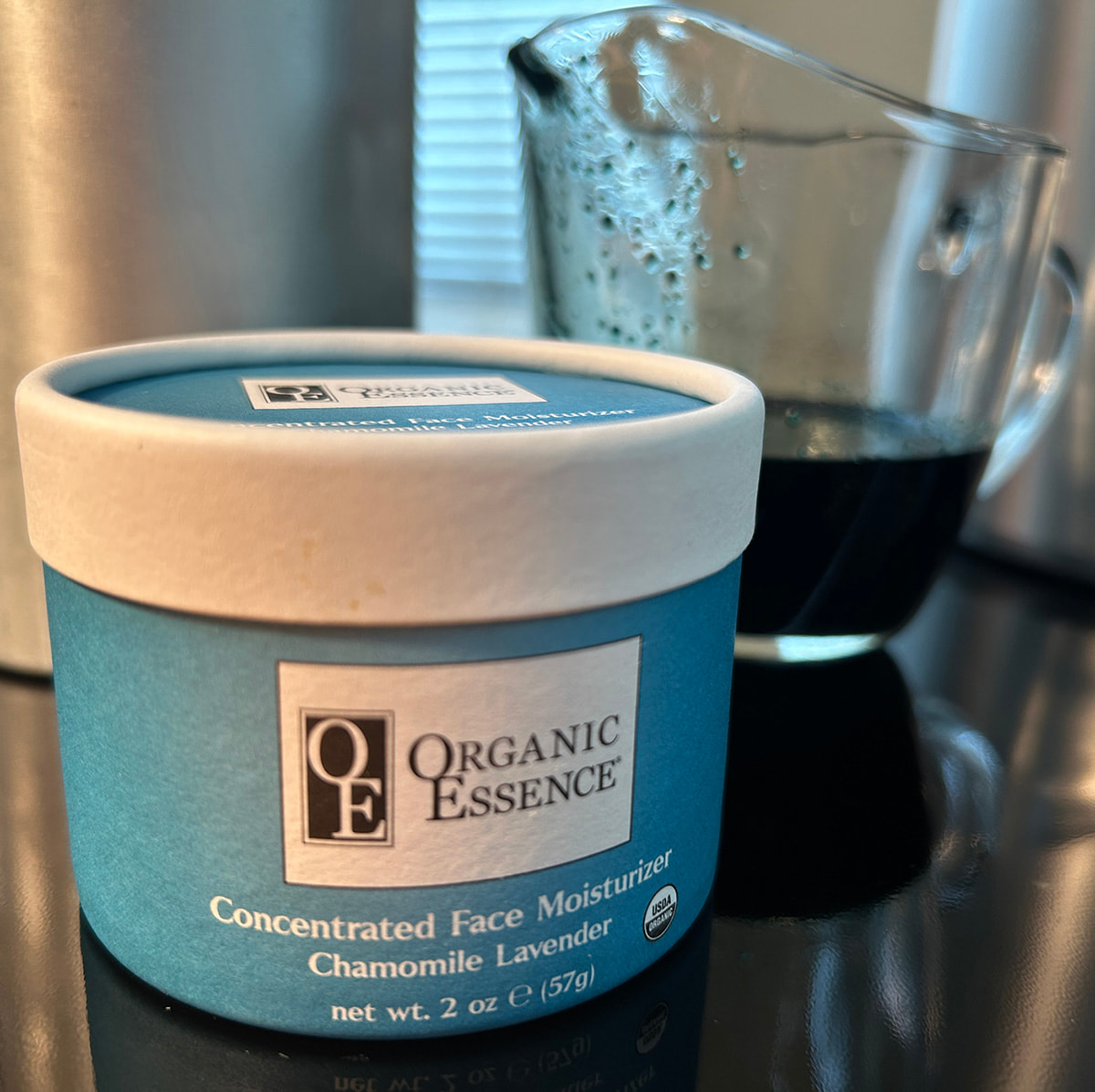
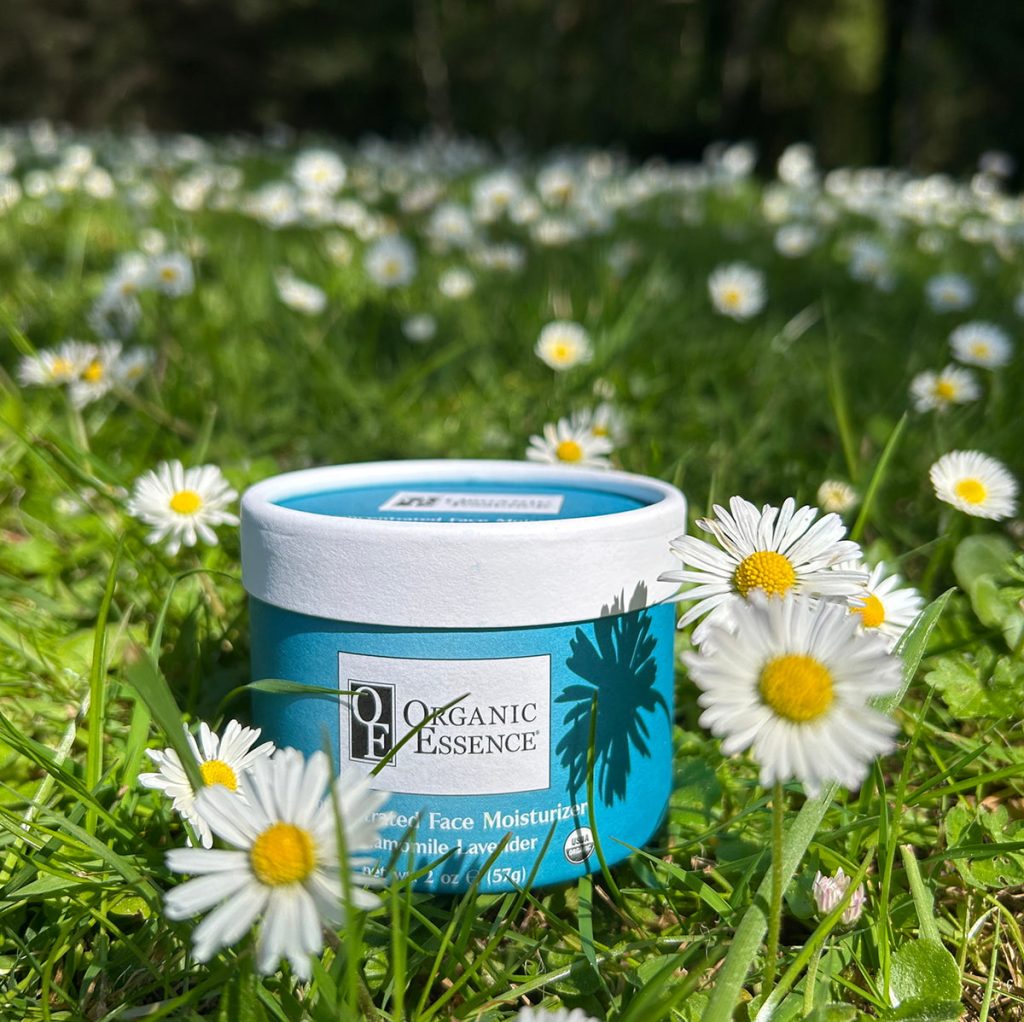
The best organic face moisturizer doesn’t start with water — but most conventional face creams do. Chances are it’s water — aqua, if the brand wants it to sound more sophisticated. That’s not a coincidence. Water is the cheapest ingredient in any formula, it adds weight and volume, and it allows brands to list active or appealing ingredients further down the deck while charging premium prices for what is largely a water delivery system with a small percentage of actual skin-nourishing content. Organic face cream built on certified organic botanical bases works differently — and your skin knows it.
Why Conventional Face Cream Is Mostly Water
The cosmetics industry standard for face cream formulation typically starts with 60-80% water as the base. That water needs to be preserved — which means synthetic preservatives like parabens, phenoxyethanol, or formaldehyde-releasing agents are required to prevent microbial growth in the water phase. It also needs emulsifiers to hold the water and oil components together — another category of synthetic ingredients that wouldn’t be necessary in an anhydrous (waterless) formula.
The result is a product where the majority of what you’re applying to your face is water and the chemicals required to keep that water stable — not the botanical extracts, oils, or active ingredients featured in the marketing. According to the Environmental Working Group’s Skin Deep database, many conventional preservative systems score moderately to highly for health concerns, yet they’re structural necessities in water-based formulas rather than optional additions.
What Certified Organic Face Moisturizer Uses Instead
Certified organic face moisturizer formulated without water as a primary base replaces that water phase with certified organic botanical oils, butters, and plant-derived emollients that actively nourish skin rather than simply delivering a sensation of moisture that evaporates within minutes. Organic shea butter, organic jojoba oil, and organic plant waxes provide a lipid-rich base that works with the skin’s natural barrier rather than bypassing it.
Without water as a primary ingredient, the need for synthetic preservatives is dramatically reduced or eliminated entirely. That means fewer ingredients overall, a simpler and more transparent formula, and a product where every ingredient is pulling its weight rather than serving as a filler or a stabilizer for other fillers. At Organic Essence, our certified organic face creams are formulated this way — concentrated, waterless, and built entirely from USDA certified organic ingredients.
The Concentration Difference in Organic Face Cream
Concentration matters more than most consumers realize. A conventional face cream that is 70% water and 30% active ingredients delivers a fraction of the nourishing content that a waterless certified organic face cream delivers in the same size jar. That’s why a small amount of concentrated organic face cream often goes significantly further than a larger jar of water-based conventional moisturizer — and why comparing price per ounce between the two categories is rarely an apples-to-apples calculation.
The skin also responds differently to concentrated botanical ingredients than it does to diluted versions of the same ingredients. Fatty acids, vitamins, and plant sterols in their undiluted, certified organic form absorb more effectively into the skin’s lipid layer — delivering the hydration, elasticity support, and antioxidant protection that water-based formulas promise but rarely deliver at meaningful concentrations.
Reading the Label on Your Organic Face Cream
The fastest way to evaluate any face cream is the ingredient list. If water or aqua is the first ingredient, the product is primarily water. If the first ingredients are certified organic oils, butters, or botanical extracts — marked with an asterisk indicating certified organic status — you’re looking at a formula where the nourishing content comes first.
Look also for the USDA Certified Organic seal and a named certifying agency. These confirm that the organic claims on the label have been independently verified — not just written by a marketing team. The USDA National Organic Program maintains a list of accredited certifiers so you can verify any certifying agency named on a label.
Why Organic Face Cream Is a Daily Essential Worth the Switch
Organic face moisturizer is applied every day — often twice a day — directly to some of the most absorbent skin on the body. The cumulative difference between applying a water-and-filler conventional formula versus a concentrated certified organic face cream over months and years is significant. Not just in terms of ingredient exposure, but in terms of what your skin is actually receiving and absorbing with every application.
At Organic Essence, we built our face cream formulas around that daily cumulative argument — because we believe what you put on your face every morning should be working as hard as you are. Certified organic ingredients, no water dilution, no synthetic fillers — just concentrated botanical nourishment that earns its place in your daily routine.